
A Decade Of Impact

.webp)
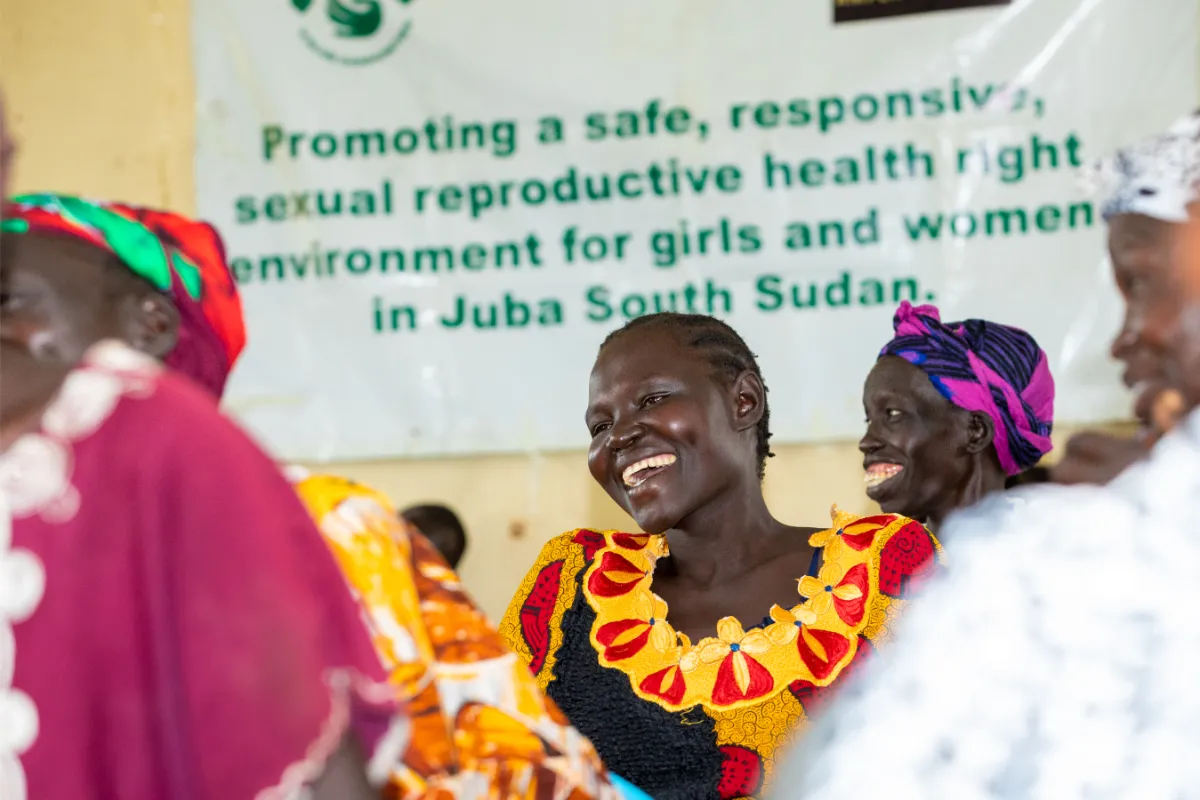


CEO
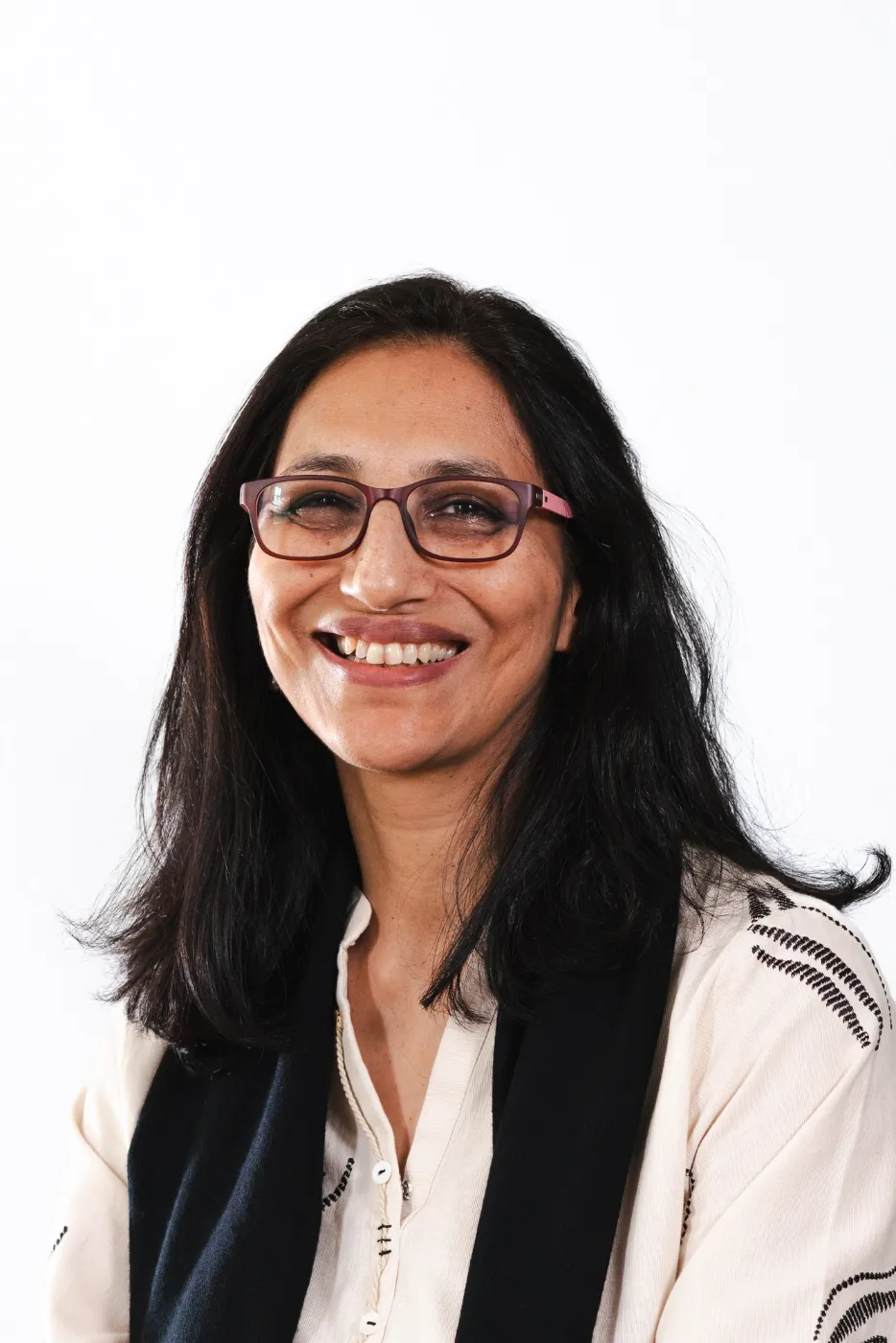
Chair of the Board of Directors
Welcome
from Grethe Petersen, Chief Executive Officer, and Dr. Narmeen Hamid, Chair of the Board of Directors
2024 marked 10 years of AmplifyChange – a decade of supporting courageous, creative and life-changing work across the world in the cause of SRHR for all.
In 2014, a group of sexual and reproductive health and rights (SRHR) donors – the Danish and Dutch governments, the David and Lucile Packard Foundation, and the William and Flora Hewlett Foundation – created a funding mechanism called AmplifyChange to directly support local civil society groups in some of the most challenging parts of the world. These organisations, working for and in their communities, struggled to access funding from large donors due to political or religious reasons or the perceived risk linked to funding smaller, local groups. AmplifyChange provided a new funding stream for these smaller, local groups to drive stronger, more community-led change for improved SRHR.
At the time of writing, in 2025, activists and the global community concerned with social justice face fresh challenges and cuts in funding. In 2024, the period covered by this report, there was so much to celebrate, even as SRHR advocates tackled a shift across many countries against these rights agendas.
We are so proud of our grantee partners who, despite innumerable barriers, continued to build their resilience and remain dedicated to improving SRHR in their communities. Their ability to adapt and persistently lead change despite obstacles, because it affects them personally, inspires us every day. For example, Edraak Foundation in Egypt, an Opportunity grantee partner, used their media platform to speak out against a gynaecologist who shared patients’ stories on social media, breaching confidentiality. Their campaign succeeded in bringing the issue to the attention of authorities, resulting in an investigation and then broader public discourse about the ethical responsibilities of medical professionals. Edraak successfully highlighted the importance of respectful SRHR in a context where women’s health and wellbeing are stigmatised.
.webp)
In these times, the importance of funding organisations working with marginalised communities cannot be overstated. In the most recent Global Philanthropy Project’s Global Resources Report, AmplifyChange was listed within the global Top 20 Foundation Funders for LGBTIQ work. Furthering our existing grant-making for LGBTIQ groups, we are grateful to the Danish Ministry of Foreign Affairs who allocated a further DKK 10 million to continue supporting LGBTIQ organisations facing significant pushback and hardships.
As part of our assessment of impact over the past decade, AmplifyChange commissioned two independent reviews this year exploring 10 years of funding the abortion rights movement in Zimbabwe and the LGBTIQ movement in Cameroon. In both reports, the message came through strongly and clearly: direct funding to civil society is critical to movement growth and sustainability, especially in times of pushback.
We were excited to run two funding rounds in 2024 – one for Strengthening Grants and one for Network Grants. Demand was high in both rounds, and we were pleased to award 38 Strengthening Grants and 21 Network Grants. These grants will directly support crucial work improving youth access to SRHR services and education, eliminating gender-based violence (GBV), enhancing safe abortion access and rights, improving access to SRHR for marginalised communities, and supporting LGBTIQ and sex worker communities.
Because of new donor commitments, we were delighted also to be able to increase our contracted grants by 32% from 2023 to 2024, with a total of GBP £50,417,207 contracted since October 2020. With the addition of more live grants, the total amount of disbursements increased by 72% from 2023 to GBP £15 million in 2024.
We are, of course, more than a fund, and throughout 2024, AmplifyChange expanded support for knowledge generation and sharing across our grantee partners and grants portfolio. We continually strive to enhance linking and learning across the organisations we fund as well as with the international SRHR community.
Other highlights of the year included:
- hosting three international virtual dialogues sharing experiences and learnings from our life skills and comprehensive sexuality education (CSE), abortion rights, and gender-based violence (GBV) portfolios
- enhancing our virtual community for AmplifyChange grantee partners, introducing thematic discussion boards and new organisational strengthening courses
- refreshing and expanding the AmplifyChange Learn website, sharing learning content developed by advocates for advocates
AmplifyChange additionally welcomed our newest board director, Ms. Liz Lum, who will be supporting governance. We are grateful to our entire committed team who continue to support with passion and dedication our important vision to secure full attainment of sexual and reproductive health and rights for all.
Finally, We would like to thank our current donors:




We would also like to thank our donors who have supported us over the past 10 years: The United Kingdom’s Foreign, Commonwealth and Development Office; The Ministry of Foreign Affairs of the Netherlands; Viiv Healthcare’s Positive Action for Women and Girls; the Swedish International Development Cooperation Agency in collaboration with RFSU; The William and Flora Hewlett Foundation; The Case for Her; and an anonymous donor.

Funding Movements for Change
AmplifyChange funds and supports civil society organisations (CSOs) who advocate for improved sexual and reproductive health and rights (SRHR) in their communities. Our vision is to secure full attainment of sexual and reproductive health and rights for all. We believe this can only be achieved through building a stronger civil society with diverse organisations who are resilient and work together to grow robust movements for change.







- Increase individual awareness of SRHR as human rights
- Increase access to SRHR resources, information and services
- Transform social norms
- Catalyse changes in, and implementation of, policies and laws
- Build stronger, more inclusive movements for SRHR
2024 Funding Rounds
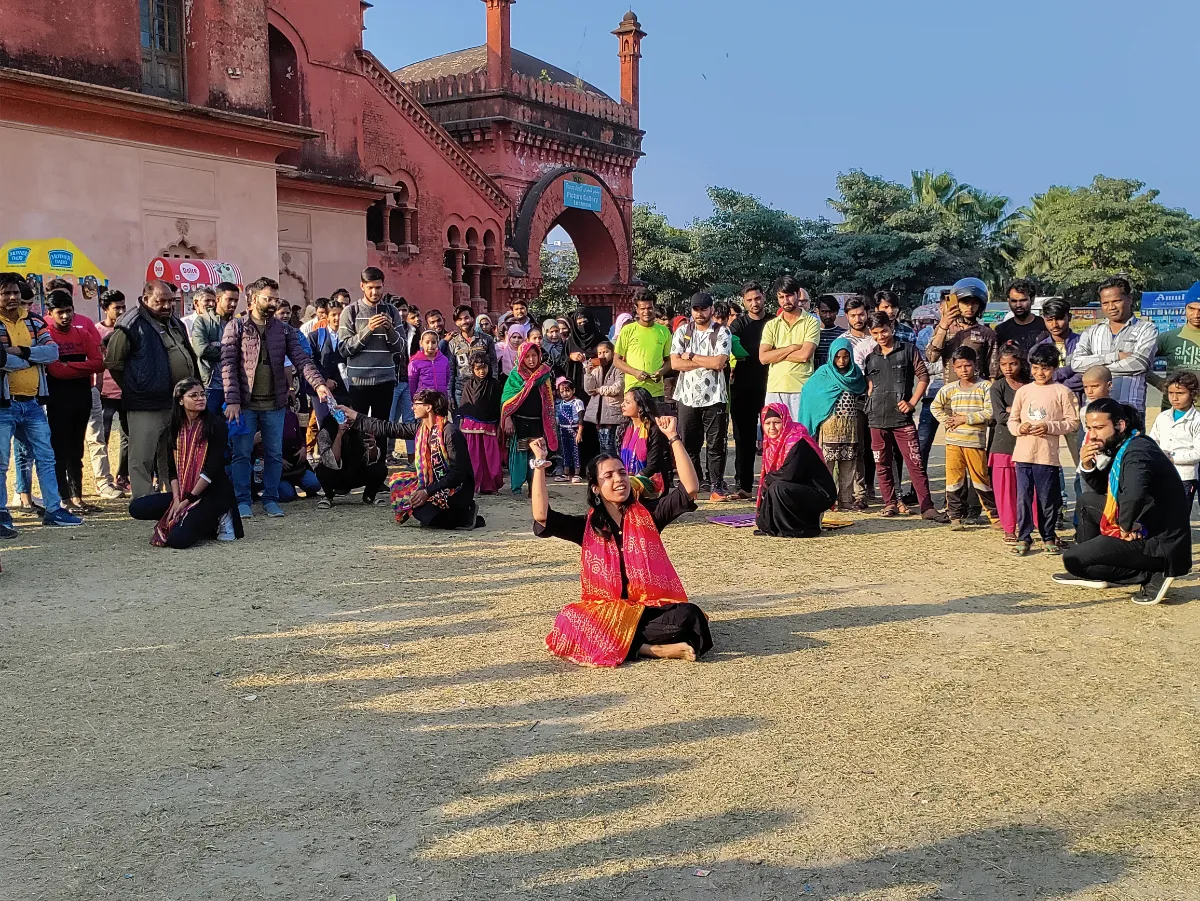
We started the year by holding a Strengthening Grant funding round in January, supporting advocacy work by small to medium civil society organisations seeking to bring about change in SRHR across South Asia and Africa. There was overwhelming demand for this level of support, and we received 639 applications from 47 countries. Of these, 38 applications were approved for funding – meeting just 6% of the funding demand for this round.
Mid-year, in June, we held a Network Grants funding round. This funding stream contributes to stronger and more inclusive movements advocating for SRHR by supporting existing or new networks working for change. For this round, we used a two-step process. The first stage invited concept notes from interested applicants, and we received 377 from 42 countries. After reviewing the concept notes, 63 organisations were invited to submit a full application. Of these, 21 applications from 16 countries were selected for funding.
Across both funding rounds, 50% of grants were for work in ‘not to be missed’ countries (countries we have identified as facing challenges to progress in SRHR and at risk of being overlooked). With the approval of these new Strengthening and Network Grants, AmplifyChange’s overall grants portfolio grew to a total of 387.
In another development, AmplifyChange registered as a charity in 2024, further enhancing our role as a partner of choice for civil society across Africa, South Asia and the Middle East, and for donor partners.
Our Grants In Numbers1
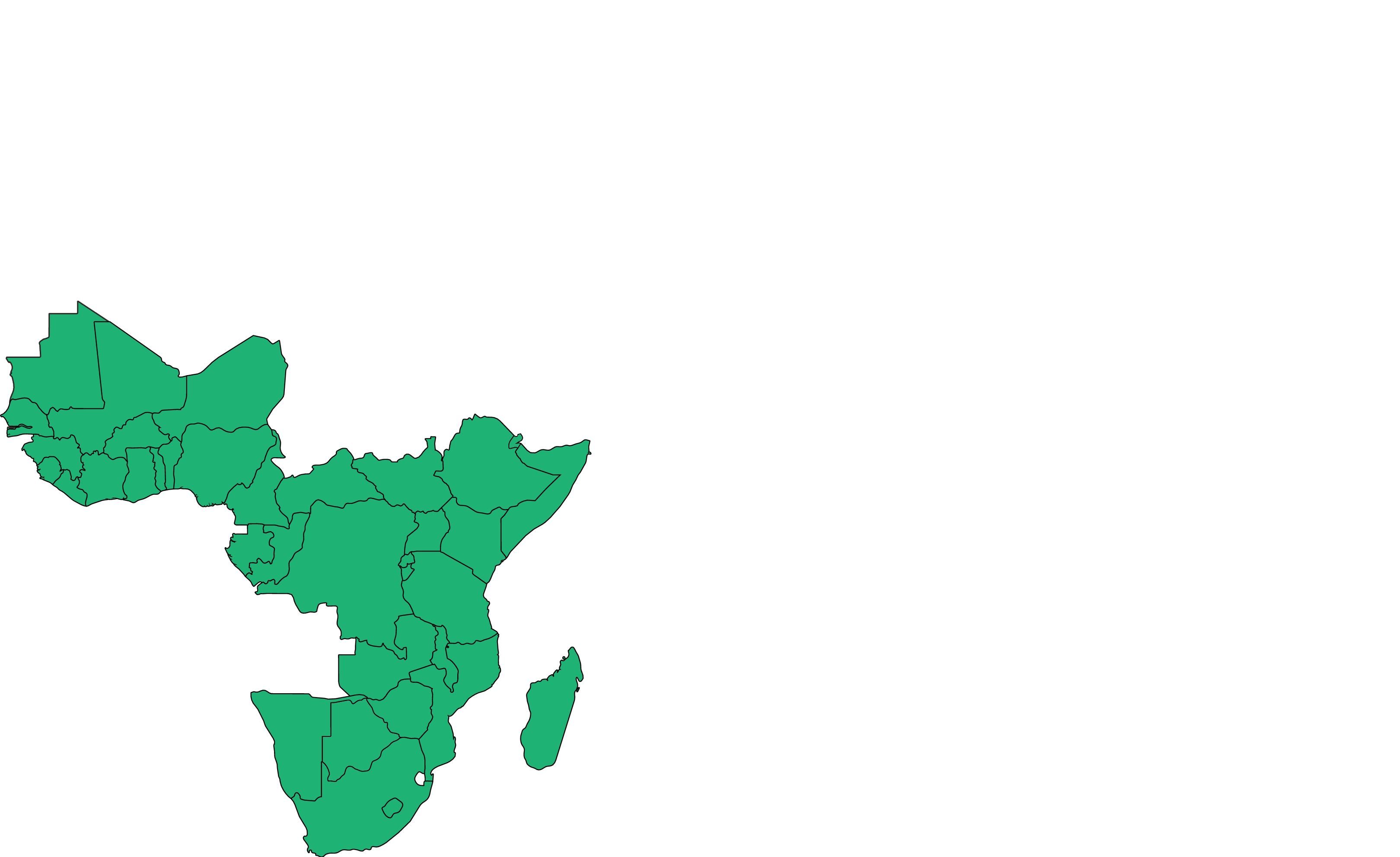
Percentage of approved grants by region


Percentage of approved grants By THEMES

Percentage of approved grants By type


YES Trust Zimbabwe
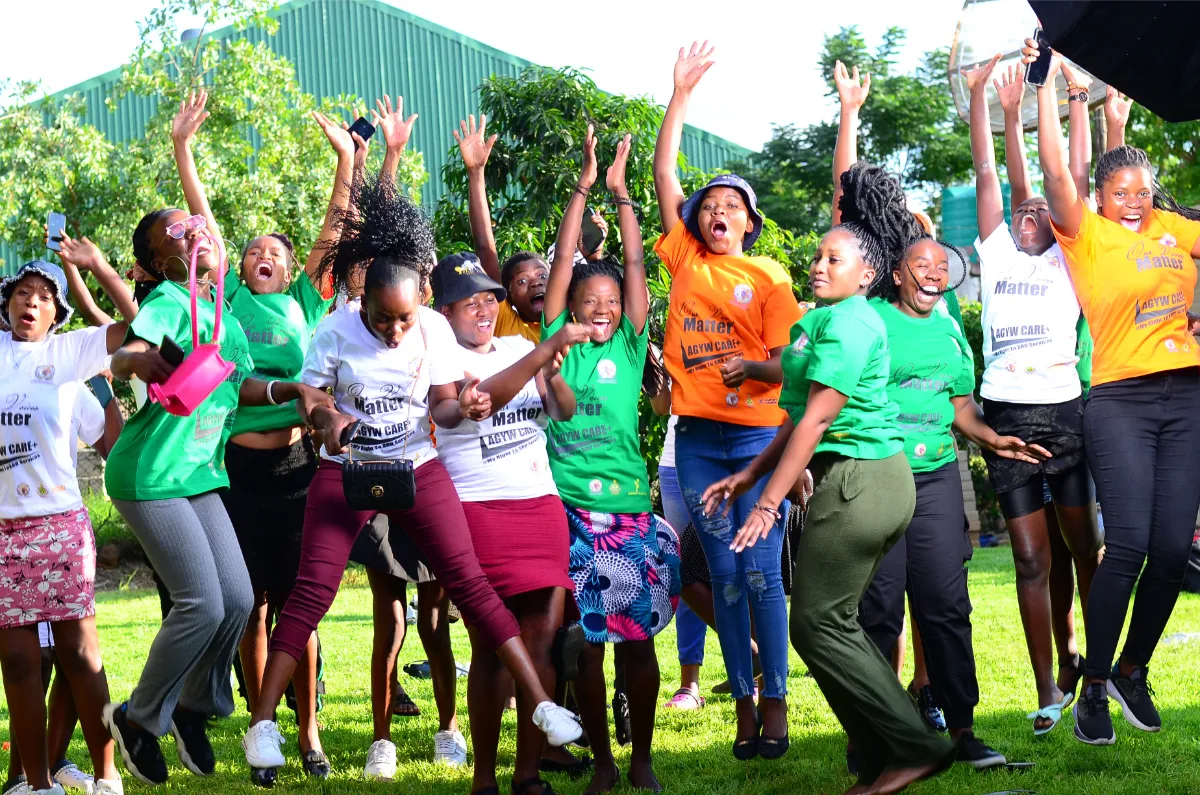
Using a multi-pronged community advocacy approach, Youth Edutainment Services Trust (YES Trust) Zimbabwe enhanced the health and lives of adolescent girls and young women (AGYW) by clearing a path to new preventative HIV medications.
Plumtree, in the rural Mangwe District of Zimbabwe, is a busy border town. In 2020, Matabeleland South Province (where Plumtree is located) had the highest HIV rates in the country at 17.6%, with 22% of women being HIV-positive, compared to 9% of men.
To reduce infection rates, the Zimbabwe Ministry of Health started distributing new preventative HIV medications, collectively called pre-exposure prophylaxis (PrEP). Unfortunately, insufficient funding and a lack of information hampered rollout and failed to encourage take up.
YES Trust Zimbabwe – a youth-led non-profit that advocates for young citizens’ rights to health, education and social protection – stepped in to support AGYW by leveraging the power of mobile edutainment campaigns for marginalised communities like rural areas without access to information because of poor road and network connections.
In partnership with the Ministry of Women Affairs and the Ministry of Youth, their ‘AGYW Care+ Save Them Young’ project mobilises communities with educational messages, engaging community leaders and healthcare workers, as well as AGYW, about HIV prevention and where to find products. YES Trust does this through mobile roadshows, radio drama and debates, street theatre, and visual tools like posters, while the National AIDS Council and Ministry of Health offer HIV prevention products and counselling to AGYW through mobile services and outreach.
The team brings together a range of stakeholders, including duty-bearers, parents and local leaders, so communities receive comprehensive information and services together. Intergenerational forums discuss views on PrEP services, challenges to uptake, and strategies to increase it. Dialogues use context-specific strategies for joint advocacy to increase demand for services.
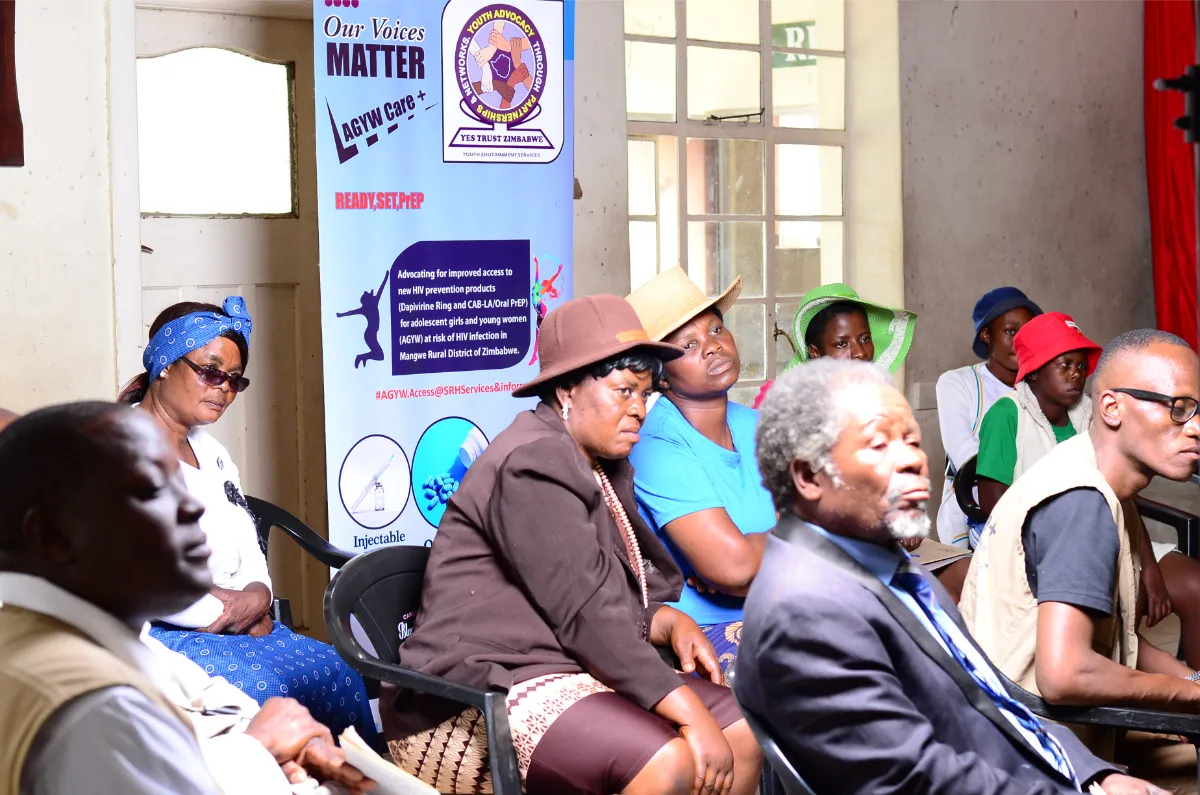
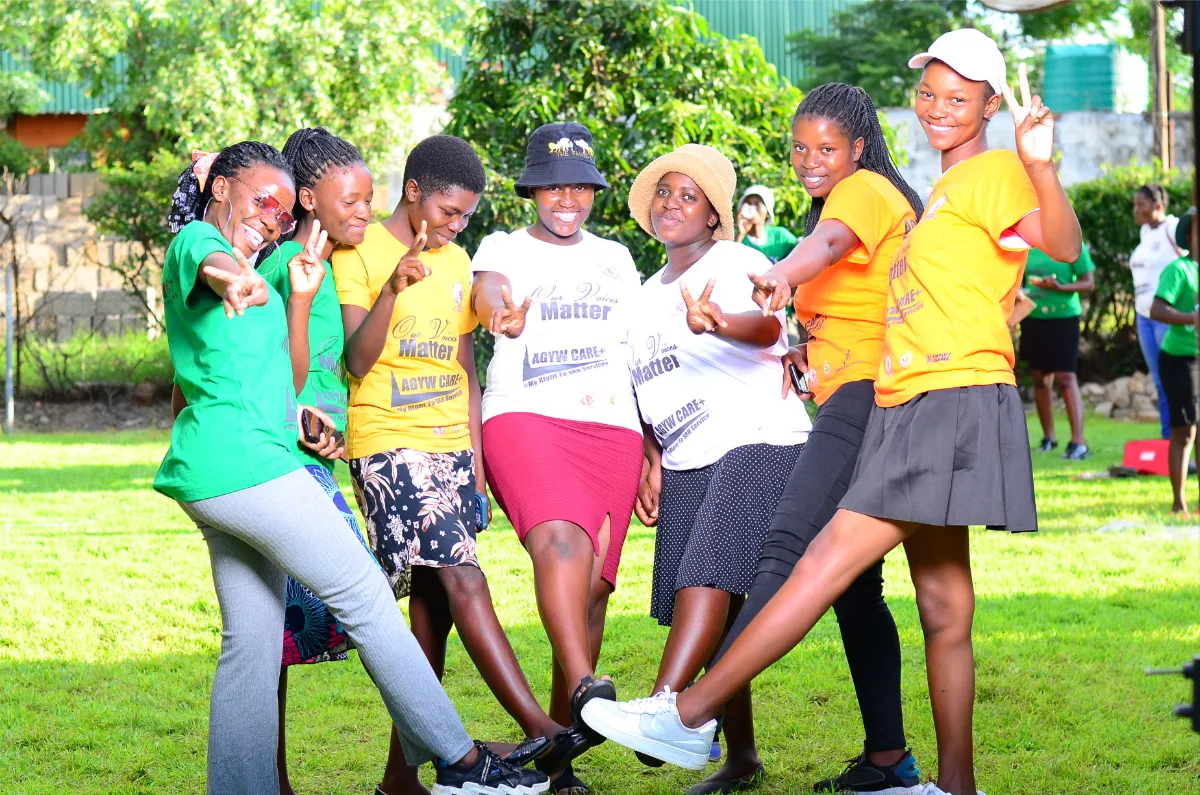
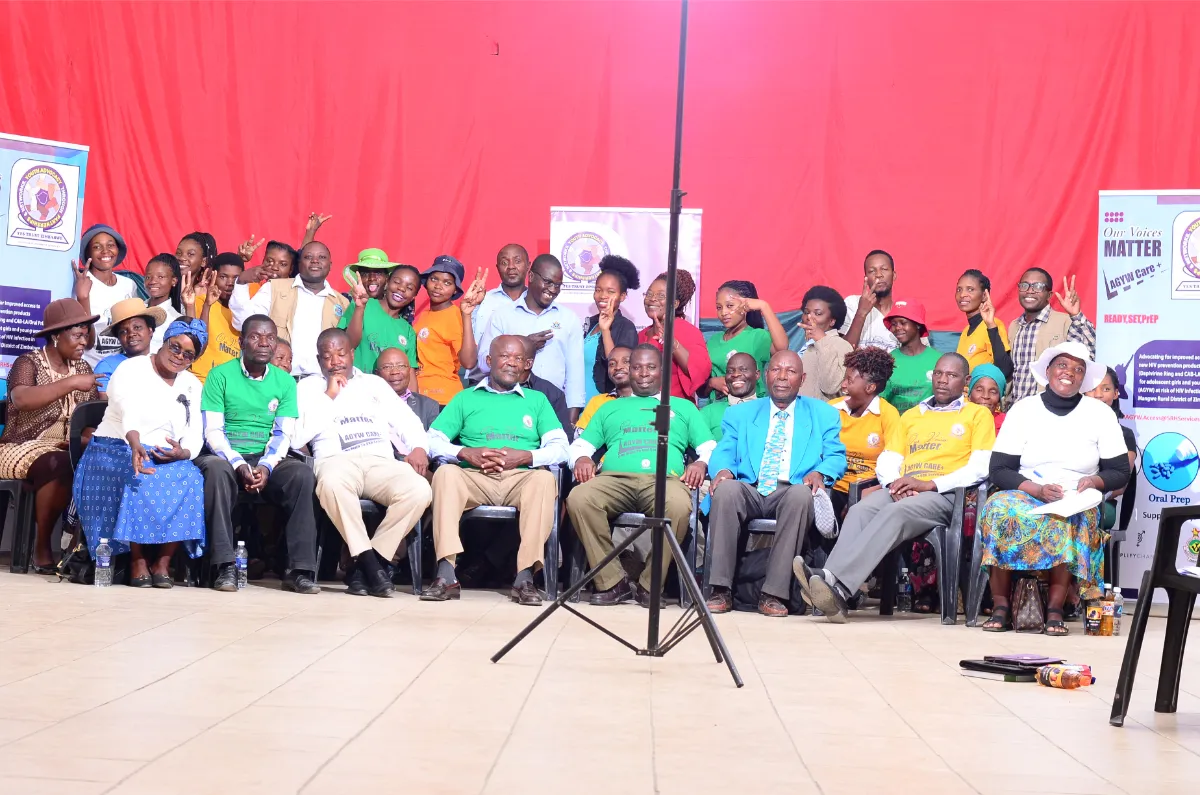
This multi-pronged, multi-level and inherently appealing approach significantly increased uptake and use of PrEP among AGYW at risk of HIV infection in rural communities. In one year in Empandeni rural ward 1, for example, the number of AGYW using PrEP rose from just two to over 100, with over 40 showing consistent use.
The impact of the project extends well beyond this one intervention – bringing whole communities together in support of the SRHR of young people. Fifteen traditional leaders, faith leaders and others who previously saw PrEP advocacy as a risk for early sexual activity are actually now at the forefront of the campaign for AGYW to take up the services. Through community and one-on-one meetings, these leaders have become champions who support AGYW to access PrEP without fear and stigma.
It's a long road to the full realisation of young women’s rights to health. YES Trust Zimbabwe will continue to improve cooperation between AGYW and service providers, through social accountability mechanisms and strengthening evidence-driven advocacy.

.webp)
Celebrating a decade of AmplifyChange
2024 marked 10 years of AmplifyChange’s support for SRHR movements predominately in Africa and South Asia.
Building on our founding focus to fill gaps in mainstream funding and reach the most vulnerable in our global society, we are proud to have grown into a vibrant, committed, and courageous community of grantee partners and allies, whose unremitting efforts have enhanced millions of lives and communities across the world.
The realisation of our goal to support a grassroots-led global advocacy community could not have been more rewarding, and the level of mutual support and learning among the community is inspiring and encouraging. The challenges persist on many fronts, but with the collective strength of the AmplifyChange community we are even more determined and able to meet them and continue our work for reproductive freedom and health for all.
AmplifyChange was launched in 2014 by the then Her Royal Highness the Crown Princess of Denmark Mary, now Her Majesty The Queen of Denmark during a United Nations General Assembly session, marking the beginning of a movement dedicated to improving SRHR for underserved populations in Africa and South Asia. It was only fitting then to celebrate our 10th anniversary in partnership with the Ministry of Foreign Affairs Denmark, at an event at Eigtveds Pakhus in Copenhagen on 25th November 2024.
.webp)
Through targeted funding and organisational strengthening, AmplifyChange has supported hundreds (775 as of November 2024) of local organisations to tackle urgent issues, including gender-based violence, stigma based on sexual orientation and gender identity, abortion access, youth rights, and healthcare availability for all.
The 10th anniversary celebration welcomed Danish government representatives, embassy staff, and supporters to hear remarks from Denmark’s State Secretary for Development Cooperation, Lotte Machon, AmplifyChange’s Chair of the Board of Directors, Dr. Narmeen Hamid, and AmplifyChange founding member and former Danish Minister for Development Cooperation, Ulla Tørnæs.
“The Government of Denmark was one of the founding donors that set up AmplifyChange to support locally-led groups to lead the work on sexual and reproductive health and rights in their communities. Denmark has been a proud supporter ever since. AmplifyChange has lived up to its ambitious name and brought empowerment and life-altering changes to millions of women, girls and local communities over the last 10 years. We look forward to continuing the cooperation,” said Denmark’s State Secretary for Development Cooperation Lotte Machon.
.webp)
A panel facilitated by Ulla Tørnæs featured AmplifyChange Strategic Advisor for Cameroon, Anne-Marie Manga, and Grant Director of Dambe Funds Sahel, Sory Ibrahim Monekata, Ph.D., who both spoke to the positive impact of flexible, long-term, and direct funding to local civil society. By funding in this way, activists can use the advocacy strategies and approaches most appropriate to their contexts and adjust their work to meet changing environments. This strengthens organisations and therefore movements’ efficiency and impact – positively changing the lives of the communities they serve.

Illuminating Our Impact
At this significant milestone, we continued our scrutiny of the longer-term impact of AmplifyChange support across the world to identify successes as well as lessons learned, and to better understand the challenges our grantee partners face. Following last year’s independent review across all programmes, in 2024 we commissioned two independent reviews focusing on regional and thematic movement building. We had identified a trend within Cameroon of LGBTIQ organisations regularly seeking out AmplifyChange funding. These organisations were working together as part of the wider movement and saw AmplifyChange as a key resource for advocacy funding. Zimbabwe’s abortion rights work was another area where AmplifyChange had provided sustained funding towards movement goals.

Cameroon
In Cameroon, 10 years ago, the LGBTIQ community faced an extremely restrictive and hostile environment. Multiple laws against same-sex relationships led to arbitrary arrests of LGBTIQ individuals and high rates of abuse against members of the community. In response to this acceleration of violence, LGBTIQ organisations began to mobilise and advocate for change. The review looked at the context, breadth and nature of this work, its impact, challenges and promise, and drew together learning and feedback from a range of stakeholders.
- Increased acceptance because of more visible, stronger LGBTIQ advocacy
- Stronger grantee partners and more confident advocacy
- Deeper, longer-lasting organisational bonds strengthening the SRHR movement
- Increased and more inclusive health care provision for LGBTIQ people
- Increased documentation and publicity about violence against LGBTIQ individuals
Zimbabwe
In Zimbabwe, the 1977 Termination of Pregnancy Act provides the grounds for access to abortion, with little to no evolution in the law since its enactment. In the last 10 years, movement towards changing the law has been slow and incremental. Despite social taboo around abortion in the country, advocates for women’s rights agree that safe and legal abortion access must be expanded.
- Enhanced confidence and more, louder voices in abortion rights advocacy
- Step-change in policy advocacy, e.g. the drafting of a model TOP policy
- Increased support for and access to post-abortion care
- More visibility for gender-based violence and expanded support for survivors
- Increased cohesion and collaboration among social reform CSOs
- Stronger organisations from empowering grant management processes
- Organisational strengthening builds sustainability and growth.
- Well-resourced organisations can form stronger movements for change.
- Adaptive funding that meets the needs of SRHR advocates is crucial for success.
- Advocate-led, context-specific, and culturally sensitive approaches to SRHR advocacy ensure that the work is sustainable.
- Transformational change in policy takes time, with implications for funding cycles.
- Supporting partners with different competencies facilitates more impact.
- Change can happen without policy reform, through new guidelines and processes.
- There is a continuous need to monitor opposition in all forms.
- Adequate research is important to ensure respondents are informed.
One thing is certain: change is possible, over time, and our collaborative approach maximises the potential of all actors. Both country reports showcase the importance of direct, multi-year, flexible funding to local civil society on all levels, and that it is crucial for the growth of SRHR movements and catalysing change.
These studies are part of a wider effort to evaluate how direct funding and support have strengthened local SRHR movements across Africa and South Asia, helping us learn what support is needed for future advocacy efforts.
We are grateful to our researchers, grantee partners, and other stakeholders who made this research possible.
We look forward to continuing this reflection in 2025, with studies on Pakistan’s life skills-based education movement and India’s LGBTIQ movement.
%20copy.jpg)

Association voix pour les femmes d'Afrique Centrale (VPFAC)
When a lack of access to safe abortion care threatens to stop girls and women in their tracks, Association voix pour les femmes d'Afrique Centrale (VPFAC) works to keep open the pathway to their future, through community-based advocacy and individual support.
In Lobaye, this is exacerbated by a lack of appropriate health infrastructure, social stigma, misinformation about safe abortion and a shortage of trained health providers. Although some cases are authorised, the legal framework remains restrictive, making access to services more difficult.
Grace (not her real name), a 17-year-old girl living in a remote village in the Lobaye prefecture in the Central African Republic, had her life turned upside down when she became pregnant after non-consensual sex. Frightened and ashamed, she considered using dangerous methods to terminate her pregnancy like other girls she knew.
One day, she heard about an awareness-raising session on sexual and reproductive health rights organised by VPFAC in her village. She discreetly attended and learned that safe abortion services were available under certain conditions. The project's community outreach workers supported her with a confidential referral to a partner health facility, where she received appropriate care and psychosocial support.
VPFAC’s ‘Community Based Opportunity Desk for Safe Pregnancy Termination in Lobaye’ project aims to reduce unsafe abortions and their deadly consequences by improving access to safe services and raising community awareness of the sexual and reproductive rights of women and girls. Their integrated approach includes:
- training health providers: essential for quality and safety of services
- participatory community approach: mobilising leaders to reduce stigma
- political and social advocacy: dialogue with decision-makers to improve policy
- discreet and secure referral mechanisms: to ensure confidential access
- psychosocial support: to accompany women and avoid the trauma of stigma
The project faces cultural and religious resistance, with some communities remaining opposed to abortion. Despite this challenge, raising awareness among 35,000 community members, training over 250 health providers and setting up a community support network, have all improved the availability of services and fuelled a gradual change in community perceptions.
Today, Grace has returned to school and is involved in educating other young girls about the dangers of unsafe abortion and the importance of safe reproductive health services. Her testimony has encouraged others to seek help and helped to reduce the stigma around abortion in her community. By offering a safe solution and caring support, the project not only saved her life but gave her hope for the future.
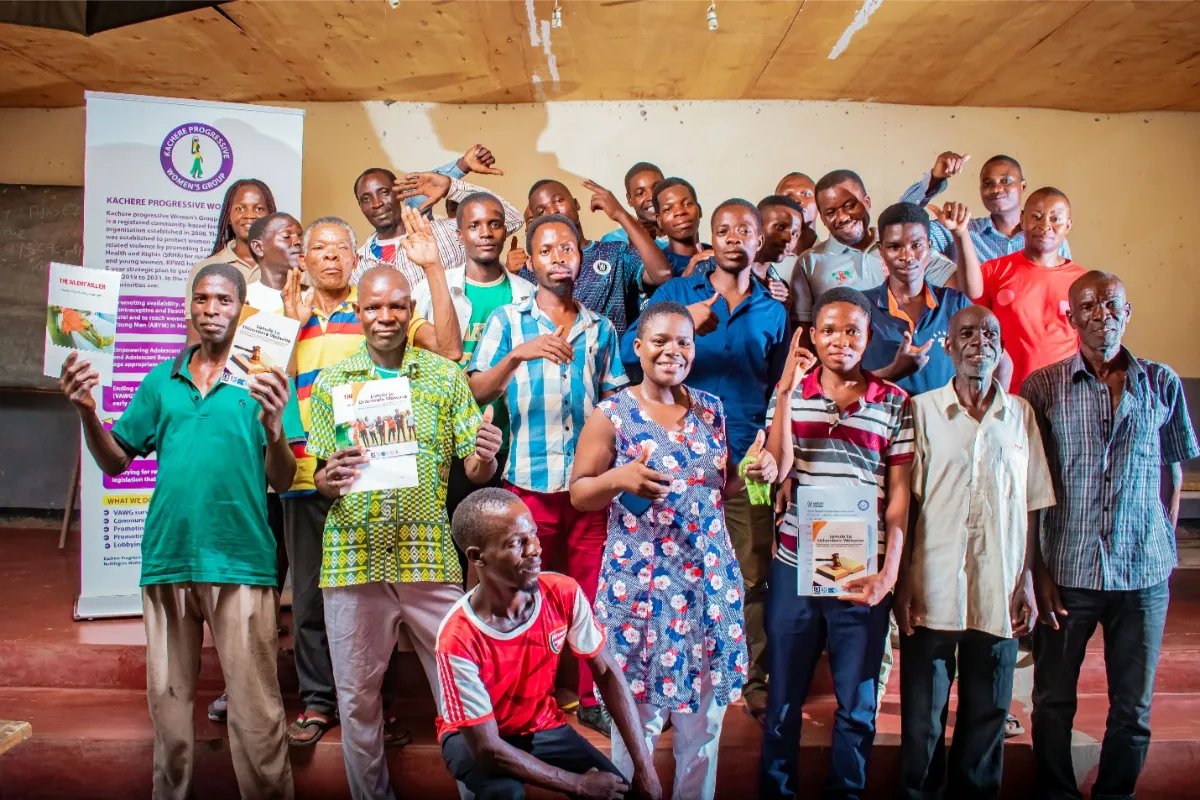
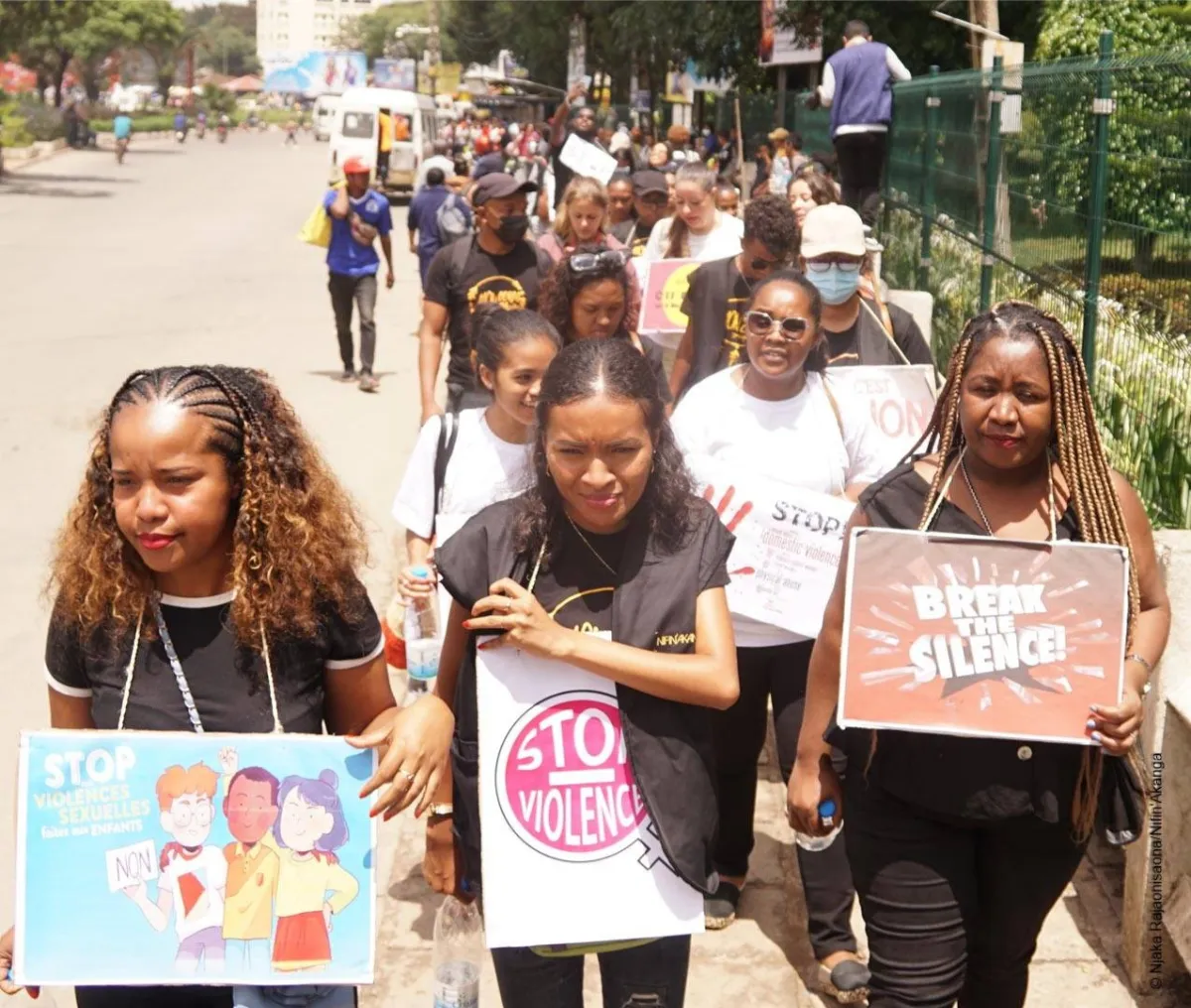
Supporting movements for abortion rights in Africa
AmplifyChange is proud to be involved in the ‘Pamoja’ project (‘Together’ in Swahili), a six-year Africa regional initiative highlighting the importance of better access to safe reproductive healthcare to reducing maternal deaths due to risky practices.
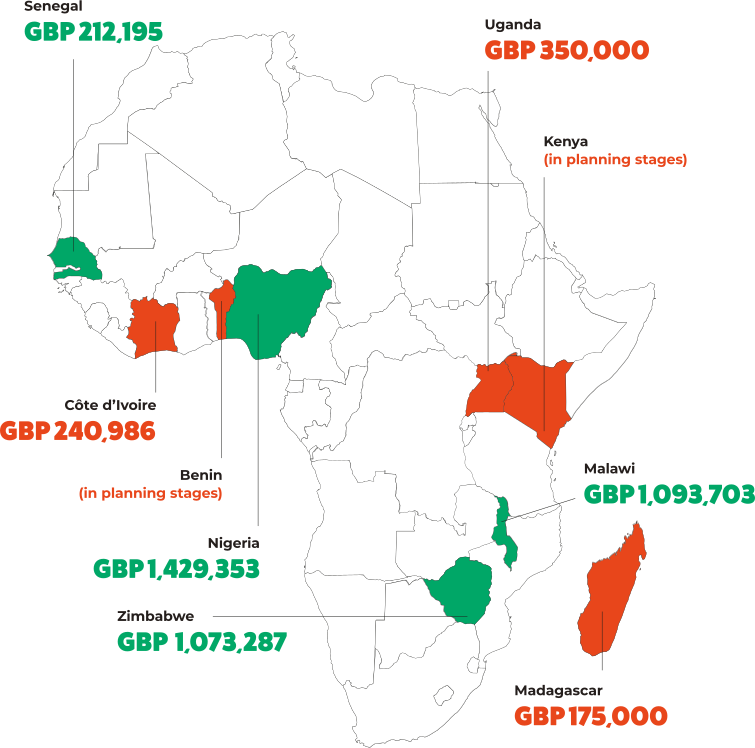
Pamoja works across four core countries – Malawi, Nigeria, Senegal, and Zimbabwe – and five additional countries, where a combination of consortium partners are working – Benin, Côte d’Ivoire, Kenya, Madagascar, and Uganda.
Currently in its third year, the project is led by a consortium of four organisations, each representing a different strategic pillar:
- Réseau Africain de l’Education pour la santé (RAES), based in Senegal, provides technical assistance to design and implement strategic communication campaigns
- Ahaki, based in Uganda, leads on strategic litigation approaches
- The MAMA Network, based in Kenya, coordinates initiatives to support self-managed abortion
- AmplifyChange, based in the UK, supports advocacy for policy and law change
Each pillar works in conjunction with the others to provide a holistic approach to increasing access to safe abortion, supporting in-country partners through grants and technical support, and by strengthening movements.
AmplifyChange’s role involves supporting local and civil society organisations advocating for policy and law change through direct grant-making and movement strengthening (see below for grants to date). Following a mapping exercise in each country, we run funding rounds of each of our grant types depending on what is most appropriate – for example, a Partnership Grant where there are strong organisations well-placed to implement one, or Opportunity Grants to support smaller CSOs wanting to test new ideas. Mostly we are funding networks through Network Grants and Strengthening Grants, with multiple implementing partners.
AmplifyChange grants within the Pamoja project
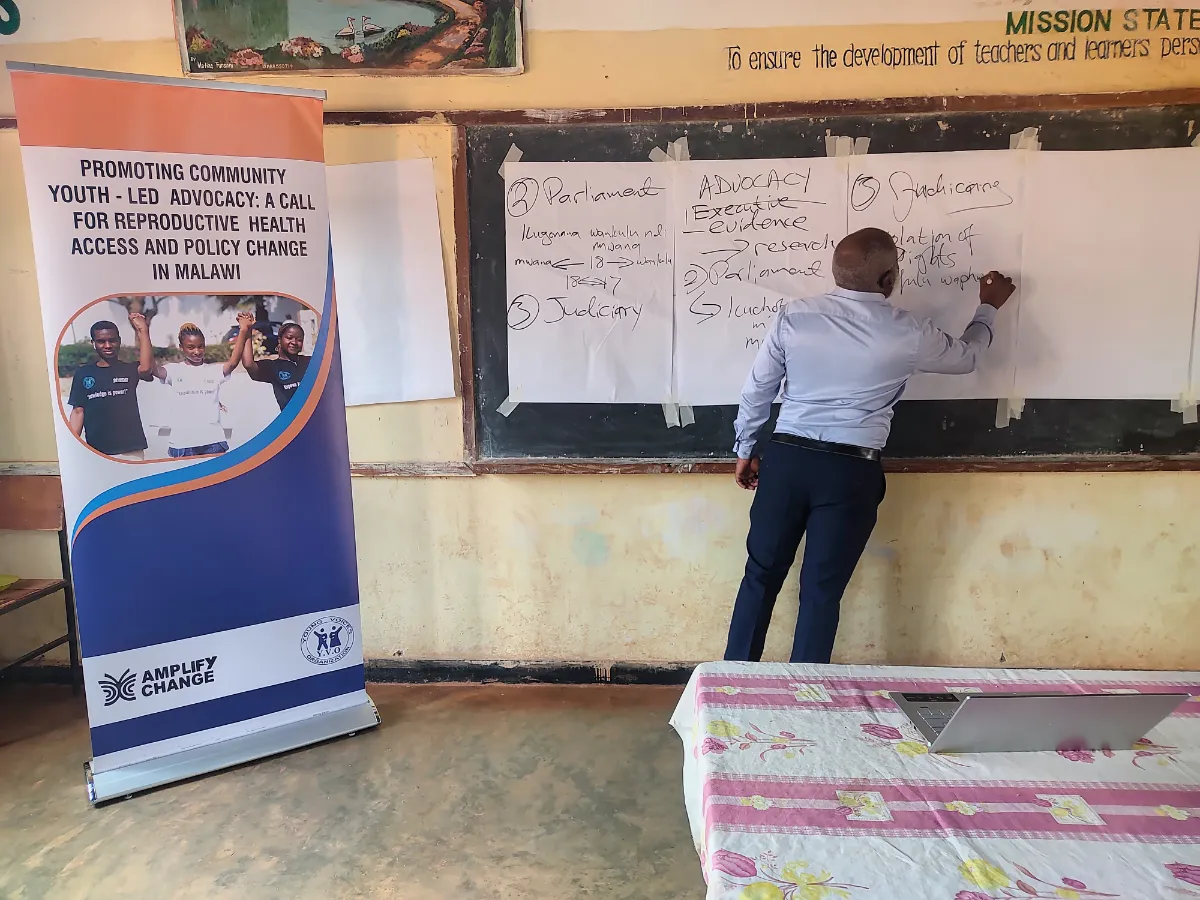
The Pamoja project hosted annual convenings in each of the countries in 2024. Through these, we connect the in-country partners of all consortium organisations to help them collaborate across strategic areas. For instance, AmplifyChange grantee partners are also working with legal organisations supported by Ahaki, connected into the RAES communications campaigns, and able to join or support the MAMA Network. As well as convenings, the Pamoja project directly connects organisations of different size and strength across the movement to foster capacity building and technical skills sharing. Bringing them together enriches collaborative advocacy efforts and meetings and strengthens the movement overall.
Amplifying knowledge
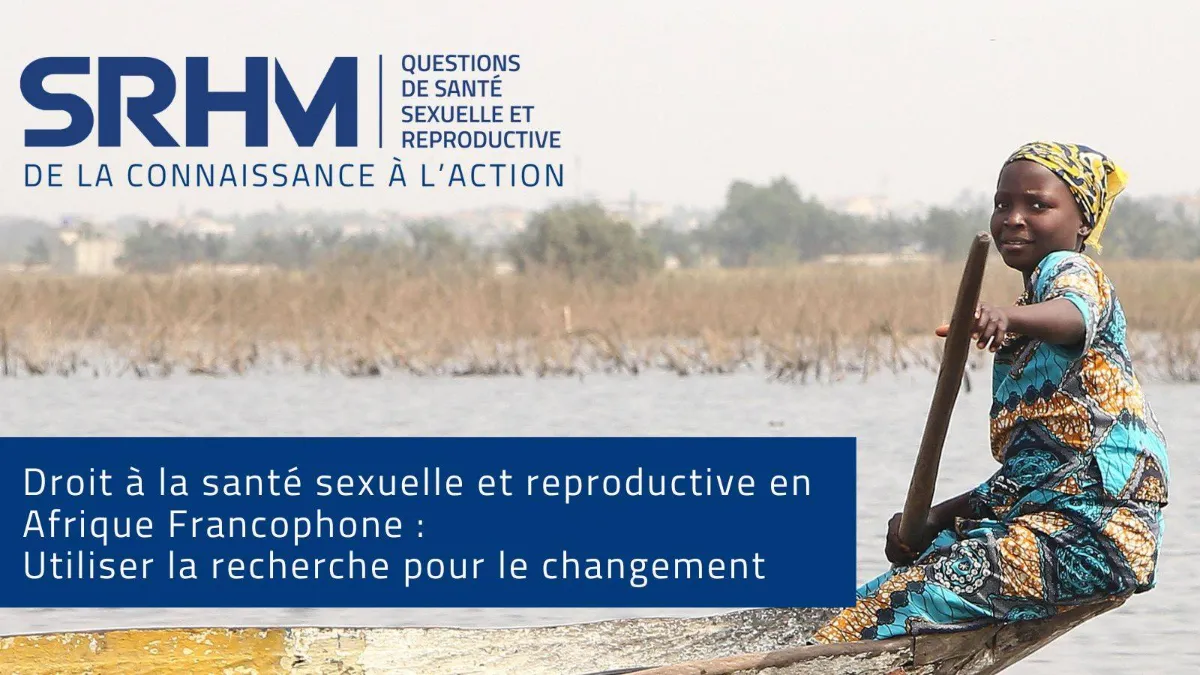
Research and evidence generation are essential for strong movements. AmplifyChange is proud to fund organisations seeking to strengthen SRHR research and broaden the evidence base for SRHR advocacy. As part of their Strengthening Grant project, Centre De Recherche en Reproduction Humaine et en Demographie (CERRHUD) in Benin supported six young researchers from Francophone West Africa to research and publish articles as part of a special edition of Sexual and Reproductive Health Matters. You can access the journal here.
Linking and learning
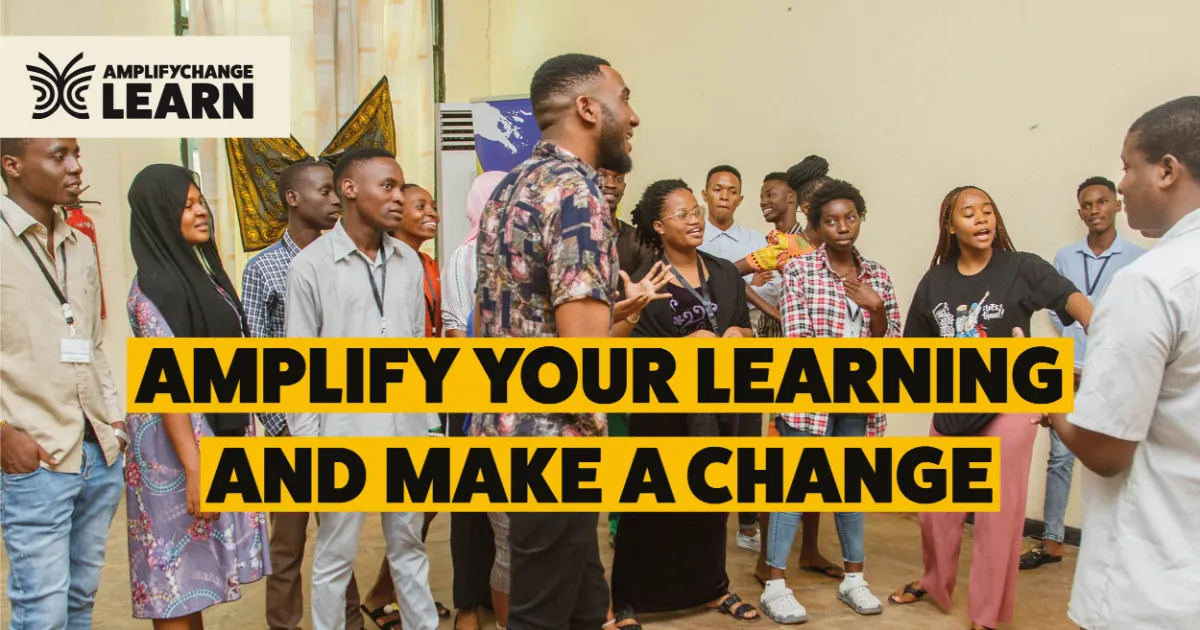
AmplifyChange Learn: by advocates, for advocates
We were thrilled to relaunch our knowledge sharing platform, AmplifyChange Learn, now redesigned and more accessible.
Learn is a key resource for content written by and for civil society advocates. This virtual library brings together a collection of practical guides written by grantee partners for grantee partners and applicants, as well as others interested in civil society SRHR advocacy, as it is openly accessible by the public.
How to Guides cover diverse topics such as how to strengthen your organisation, how to develop applications for future funding rounds, and advocacy best practices across the spectrum of SRHR issues. The website is an opportunity to share the knowledge and experience of AmplifyChange grantee partners on a range of sexual and reproductive health and rights topics as well as organisational strengthening best practice.
Learn supports all three of our delivery streams: grant-making for civil society, organisational strengthening, and knowledge for advocacy, with a particular emphasis on the last two. As part of our mission, AmplifyChange seeks to share the learnings of civil society organisations with each other and with other players working on SRHR to strengthen the movement. The purpose of Learn is to showcase the expertise of our grantee partners, providing a platform for them to shape the evidence of decision-makers and the field in general.
The site’s refresh in 2024 was the result of listening to grantee partner feedback, investigating innovative ideas, and implementing new approaches to better serve civil society advocates no matter where they are based. AmplifyChange led a participatory process with grantee partners to identify and test new approaches.
As a result, AmplifyChange Learn now has:
- better search functionality, with faster access to the information visitors are looking for
- integrated multimedia, including videos and podcasts, to better support advocates who want to engage with different kinds of learning content
- a built-in Organisational Strengthening Manual designed to support AmplifyChange applicants and grantee partners as well as other civil society organisations interested in growing their organisation
- a fresh design, using AmplifyChange’s new brand
The relaunch is not just about new features—it’s about empowering the learning journey of civil society advocates everywhere. We aim to provide an environment where knowledge is accessible, engaging, and transformative. Whether organisations are looking for advice, best practice, or stories of inspiration, AmplifyChange Learn can help.

Media for Development and Advocacy (MEDEA)
Media for Development and Advocacy (MEDEA)’s Sauti Zetu Project was born of an urgent need to address child marriage in Tanzania and to amplify voices demanding legal reform and social change. By integrating traditional bylaws, media-driven storytelling, and direct political engagement, the Sauti Zetu Initiative is making a lasting impact to end child marriage and protect girls’ rights in Tanzania.
Meaning ‘Our Voices’, this community-driven initiative in the Mtwara and Shinyanga regions amplifies the voices of young girls, using film, art, and open community dialogues to spark critical conversations and advocate for legal reforms and societal change to recognise child marriage as a violation of girls’ sexual and reproductive health, rights and justice.
Tanzania has one of the highest child marriage prevalence rates in the world. Nearly two out of five girls are married before their 18th birthday, enabled by a 1971 law allowing it with parental or court approval. This perpetuates harmful practices, limits girls’ education, and strips them of decision-making power over their bodies and futures. With limited knowledge or access to SRH services, they are vulnerable to unplanned pregnancies, childbirth complications, and sexually transmitted infections (STIs), including HIV.
Through their Strengthening Grant, the Sauti Zetu Project leverages the power of film as a storytelling and advocacy tool. In many areas, child marriage is deeply intertwined with religious beliefs, so discussion about ending it is resisted as a challenge to faith. Through community art events, MEDEA creates films, such as Nzowa and Ndoano, to share the difficult realities of child marriage. Stolen Innocence follows a journalist’s journey to uncover the root causes of Tanzania’s long struggle against child marriage.
MEDEA and its beneficiaries hold film community film screenings to start conversations about the harmful effects of child marriage and mobilise collective action. Following one of these, a pastor integrated child marriage prevention education into his church sermons, school teachings, and mentorship programmes, demonstrating the ripple effect of community leaders becoming agents of change. In another area, local meetings uncovered the existence of traditional laws against child marriage, presenting a powerful opportunity to integrate traditional governance structures with legal frameworks for positive change.
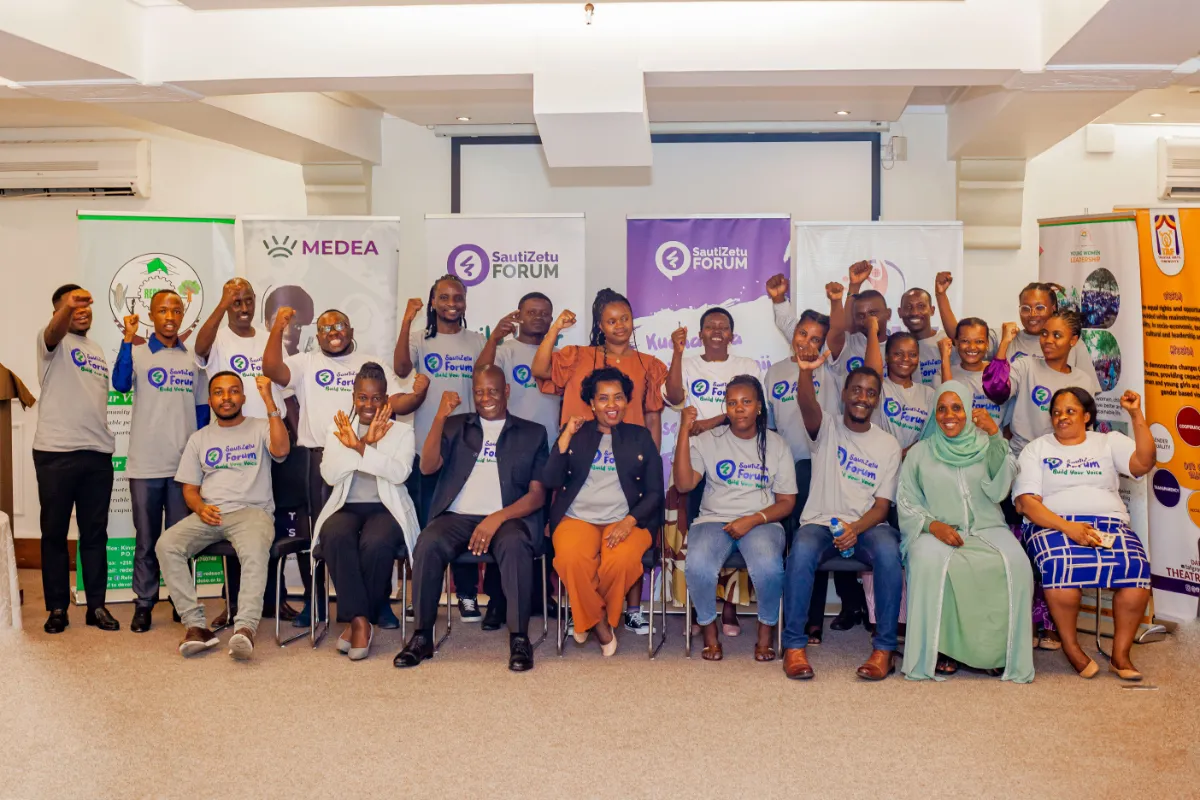
MEDEA also works with Young Girls Advocate YGA networks, where girls receive support, mentorship and a platform to raise their voices and demand change, and they established the Sauti Zetu Forum of 20 civil society organisations from Mtwara, Shinyanga, and Dar es Salaam, strengthening advocacy and amplifying voices in the mission to end child marriage.
AmplifyChange Learn Community: bringing advocates together
In 2024, we celebrated one year of the AmplifyChange Learn Community, a private online community connecting grantee partners, hosted on the digital platform Circle. It provides a safe space for organisations to interact with each other about their work, their advocacy goals, and to share events and learnings. Channels dedicated to specific SRHR issues, such as comprehensive sexuality education, abortion rights, and others, allow advocates working on similar issues to share strategies and ideas.
At its launch on 4th October 2023, the Learn Community had 131 founding members. By the end of 2024, members number over 355, and growth in the virtual community continues apace, with great promise for peer support and cross-partnership learning.
AmplifyChange in-house courses
Another space for enhancing organisational strengthening opportunities for grantee partners is our growing portfolio of in-house courses on topics identified by grantee partners as their priorities for organisational growth. This year, we delivered 13 courses, covering topics like Learning, Monitoring and Evaluation, Advocacy, Communications, Financial Management, Leadership, Strategic Planning, Keeping People Safe, and Fundraising.
The courses provide an opportunity for organisations to learn from experts across the globe and from each other. Across all courses, attendance ranged from 41 to 132 participants, underscoring the level of demand for and interest in learning opportunities for civil society groups.
AmplifyChange also hosted a virtual Wellbeing Retreat to share skills and tips supporting mental health and activist wellbeing and a five-day intensive Workshop on Dynamic Advocacy. Hosting both live lessons and offering digital recordings meant high rates of participation and a completion average of over 80%. Feedback on courses has been positive, with participation leading to progress and change for the organisations.
Review of the Learn Community and live courses
We are committed to continual review of our work, to learn how it helps the work of grantee partners and the community, and how we can improve support in this area. In 2024 we undertook a review of the first year of full implementation of our virtual Learn Community and in-house courses.
- Having a clearly defined purpose boosted engagement and fostered learning through live in-house courses. Each course became a rallying point for members to log on, connect, and dive deep into shared learning. With every session, our members could see how their contributions—be it asking questions, sharing resources, or joining discussions—built a foundation for impactful advocacy.
- Creating a peer-to-peer learning environment required a different engagement approach than we had expected. We found that connection can happen instantaneously—a simple question is often all it takes. We continue to encourage our team and grantee partners to view the Learn Community as the natural go-to place for sharing their thoughts, situations, and questions.
- Sharing our missions and progress—knowing that someone halfway across the world celebrates our wins and feels our challenges—has been invaluable. This growing camaraderie and sense of togetherness has been one of the most rewarding aspects of our journey so far.

In 2025, we will use the learning from this review and other feedback to make these channels even more accessible and helpful.
This will include:
- strengthening peer-to-peer learning through the Digital Course Library so members who missed out on live courses can revisit them and earn certificates by participating and connecting. By making course replays widely accessible, building anticipation for each launch, and empowering grantee partners to vote on future topics, we are growing a dynamic, engaging, and community-driven learning experience.
- making the onboarding of grantee partners into the Learn Community a smoother process
- creating stronger linkages between our Learn Community and the recently re-launched Learn website, a platform sharing practical guidance written by advocates for advocates.
In the face of increasing global challenges for sexual and reproductive health and rights, we look forward to building our community and connections. As one participant in the Advocacy and Communications course said:
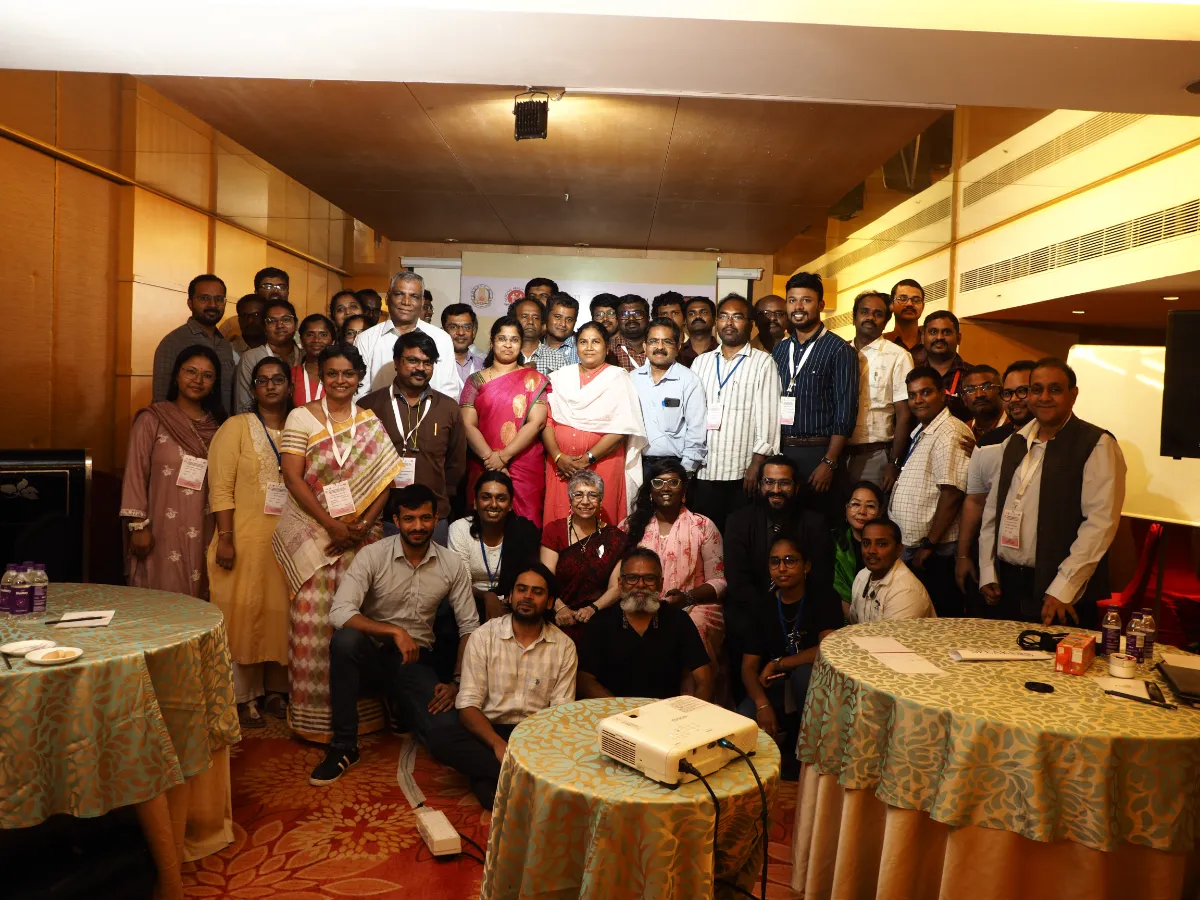

Solidarity and Action Against The HIV Infection in India (SAATHII)
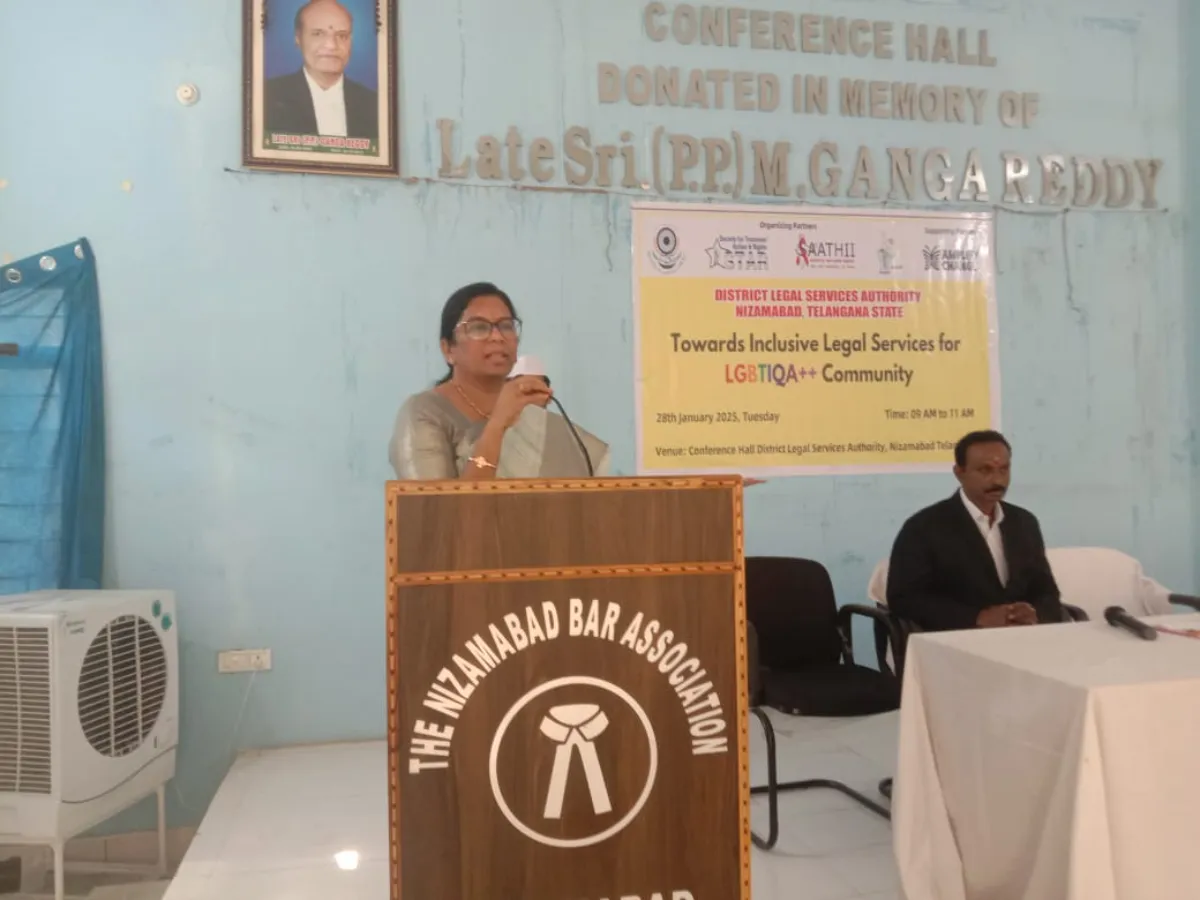
With multiple Strengthening Grants and a Network Grant, India-based non-profit organisation SAATHII and its LGBTIQ community partner groups – collectively, the Vistaara Coalition – strengthen collective action and advocacy, advancing LGBTIQ rights and inclusive and non-discriminatory healthcare, education, legal and social protection, grounded in grassroots evidence.
Despite favourable Indian Supreme Court verdicts around transgender rights and the decriminalisation of homosexuality in the past few years, their implementation and the changing of attitudes to SRHR remain a challenge.
In addition to empowering communities, SAATHII and Vistaara gather evidence highlighting barriers and enablers to accessing healthcare, education, social welfare schemes, and legal aid, which they use to shape state-specific action advocacy plans based on local priorities.
This work has led to legal and policy victories, including:
- the reopening of COVID-shuttered government trans healthcare clinics
- advocating for the removal of surgery proof requirements for legal documentation in Tamil Nadu and at the national level
- successful collaboration with authorities to modify police misconduct rules in Tamil Nadu, ensuring penalties to address harassment faced by LGBTIQ individuals
- reforming the National Medical Commission’s curriculum by advocating for the inclusion of queer and transgender-affirming content
- the nationwide declaration of conversion therapy as professional misconduct, which began with bans in Tamil Nadu and Kerala
Their successes extend beyond legal reforms and court victories. They have also:
- trained members of the judiciary, police legal aid authorities, bar associations, and juvenile justice systems in focal states to improve understanding of LGBTIQ issues
- established a WhatsApp group of pro bono lawyers in every district in Tamil Nadu to respond swiftly to crisis situations faced by LGBTIQ individuals
- successfully sensitised medical faculty members at a Delhi institution, who are now starting to provide affirming care for transgender individuals
SAATHII and the Vistaara Coalition aim to ensure the presence of at least one LGBTIQ community organisation in each state, to advocate for health, education, and socio-legal protections while building networks for collective action and advocacy at both local and interstate levels.
Project Vistaara is more than an initiative; it is a movement to create a society where LGBTIQ individuals are treated with dignity, respect, and equity. Addressing systemic barriers and empowering communities, they are paving the way for a more inclusive and just India.
Coming together
Convenings
A core part of AmplifyChange’s work is strengthening connections across organisations, geographies, and movements for SRHR. One way we do this is through hosting convenings for grantee partners in countries, some focused on specific themes and others bringing together organisations working across the spectrum of SRHR.
By meeting in person grantee partners have more opportunity to connect, identify shared learnings and build mutual support. Convenings also provide an opportunity to connect grantee partners with other funders and partners based in-country to facilitate networking opportunities.
The overarching aims of grantee partner convenings are to:
- share best practices, lessons learnt, challenges and successful advocacy strategies across movements within the same geography
- facilitate networking and collaboration among grantee partners across thematic areas
- provide technical assistance to grantee partners in either pre-contracting or grant implementation stages
- learn what support and resources grantee partners need to be successful in their work and identify whether AmplifyChange or other partners can provide
- increase knowledge of processes and priorities, both for AmplifyChange and Pamoja grant-making
- strengthen connections and solidarity across movements and countries
Feedback from the convenings has been overwhelmingly positive, with grantee partners expressing a desire to come together again as a group frequently.
In 2024, we hosted seven convenings:

Kenya
AmplifyChange hosted two convenings in Nairobi in 2024–one in May and one in November. The first brought together 19 grantee partners, one TRP3 member and staff from the Danish Embassy. The gathering fostered a collaborative and inclusive space for collective strategising, sharing experiences, solidarity and identifying efforts to address the evolving challenges in SRHR.
The second convening, under the Pamoja project, brought together all consortium partners, their respective grantee partners, and ecosystem partners working on safe abortion issues in Kenya and the broader East Africa region. Discussions focused on Kenya’s legislative landscape regarding safe abortion, specifically, how to expand legal access under more circumstances and how to effectively counter opposition.

Malawi
The in-country convening for Pamoja grantee partners in Malawi took place in Lilongwe in May 2024, bringing together 71 attendees from 35 organisations. The convening identified and developed strategies to address pressing advocacy issues within the safe abortion movement in Malawi and aligned objectives for a unified approach to advocacy.

Nigeria
A Pamoja convening in Nigeria took place in Lagos in June 2024, bringing together 69 attendees from 30 organisations. Linking and learning initiatives and planning took centre stage as with other convenings and included training and knowledge sharing using Values Clarification for Action and Transformation (VCAT), presentations, and discussions.

Uganda
The Pamoja Uganda Convening took place in November 2024 in Entebbe, bringing together more than 20 participants from grantee partner organisations. We had engaging and productive discussions about the context in Uganda, which is highly restrictive, only allowing abortion to save a mother’s life, and the different approaches, communities, and stakeholders our partners are working with. The second day was spent coming to a consensus on policy objectives for the Pamoja project in Uganda.

Madagascar
The Pamoja Madagascar Convening took place in December 2024 in Antananarivo. The first day brought together the two current Pamoja partners. We discussed working within the Madagascar context, and each organisation shared the work they are conducting under this project, including their activities, approaches, and desired outcomes.
We were able to identify policy objectives partners will be working towards complementarily to achieve access to safe abortion in Madagascar. Day two invited a range of key actors from the safe abortion movement, creating a space for everyone to come together and discuss the current context and needs of the movement. Fifty people participated, including representatives from CSOs and INGOs, journalists, lawyers, and medical professionals.

Rwanda
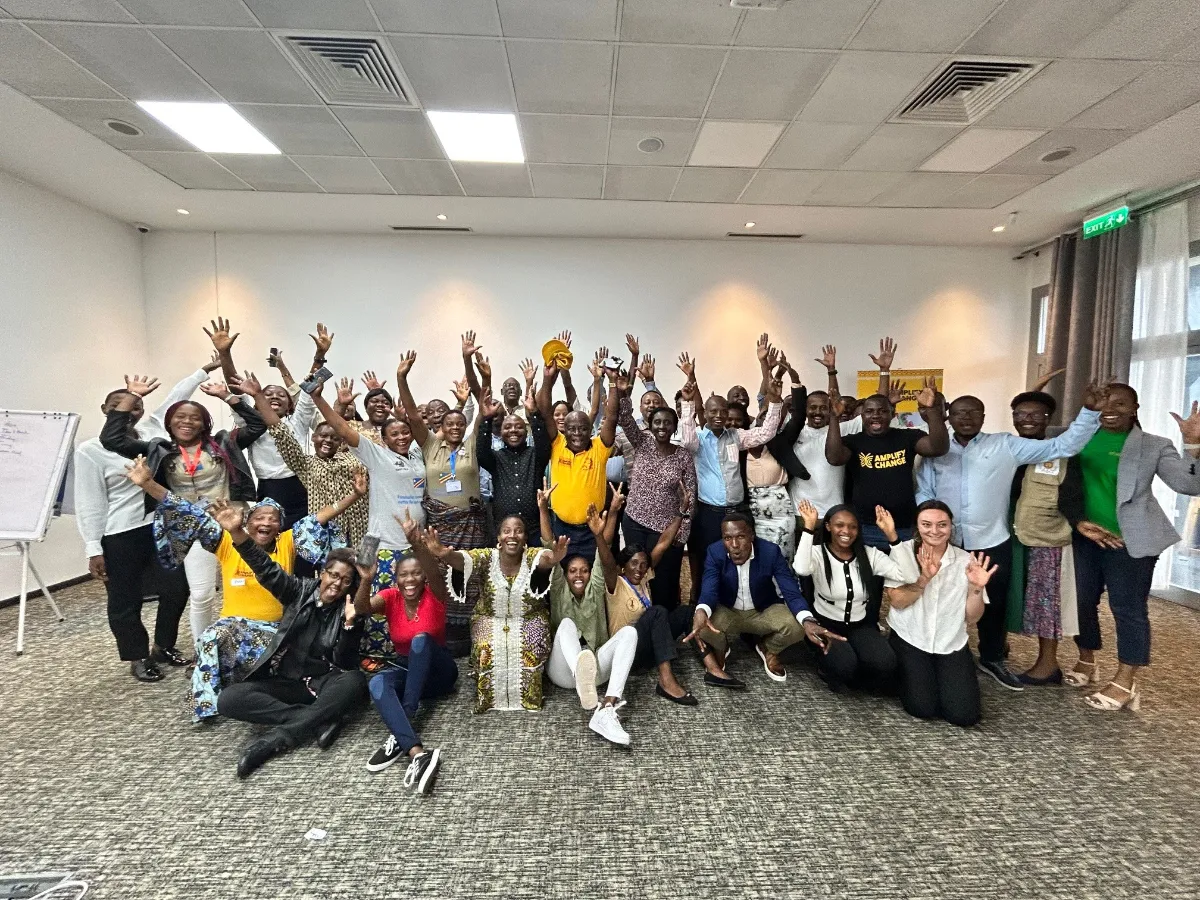
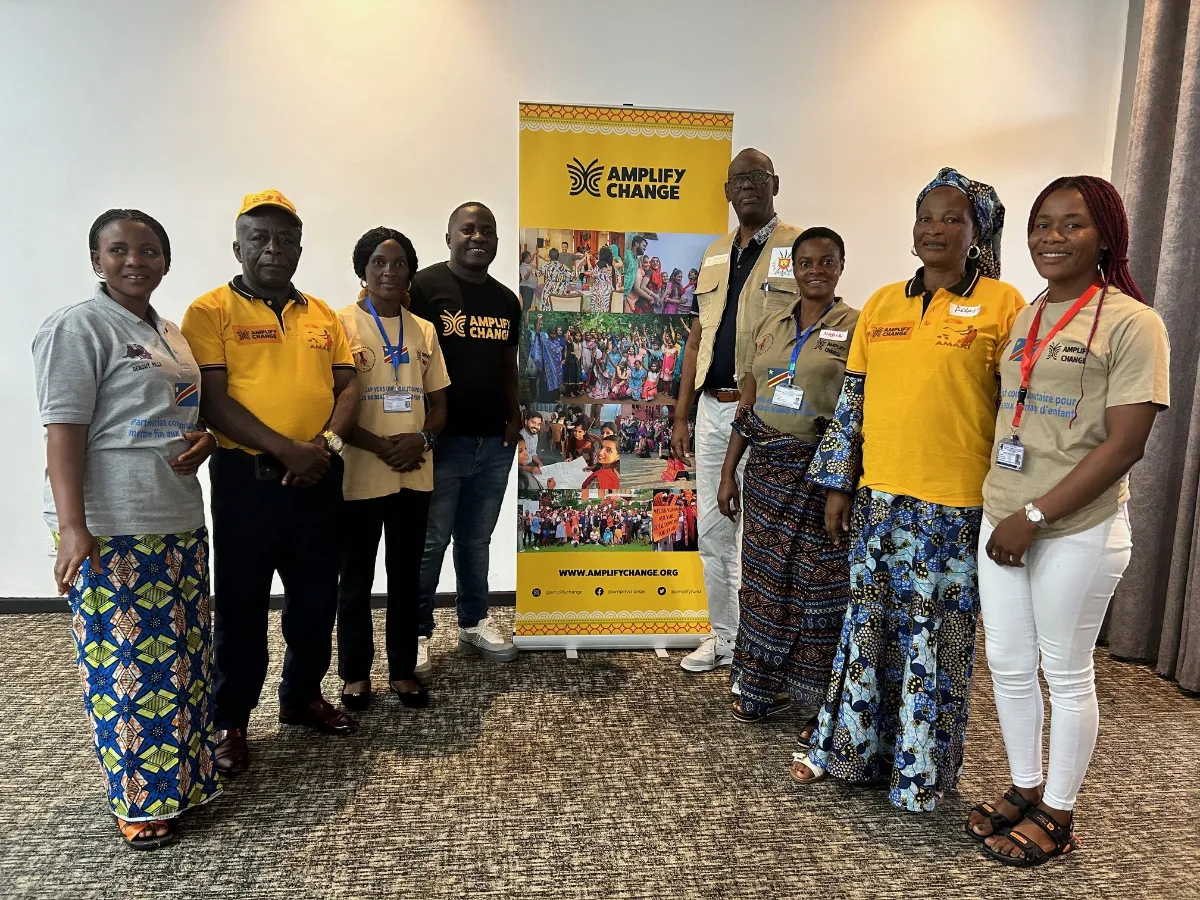
AmplifyChange hosted a two-day convening in Kigali in November 2024, bringing together representatives from 24 of our grantee partner organisations from Rwanda, Burundi and the Democratic Republic of Congo. During the convening, we facilitated group discussions on navigating challenges and building stronger movements and knowledge sharing. Participants carried out a stakeholder mapping exercise and identified how they could foster more collaboration. AmplifyChange introduced the group to the AmplifyChange Learn Community platform as a safe space for networking and discussions, as well as gathering feedback on the grant-making process.
.jpg)
AmplifyChange dialogues
Amplifying the knowledge and expertise of civil society ensures that voices from across the spectrum of advocacy for SRHR are heard by new and diverse audiences. AmplifyChange believes that centring grantee partner voices is one way to achieve this, and we were pleased to host three virtual thematic dialogues in 2024.
Talking About Life Skills
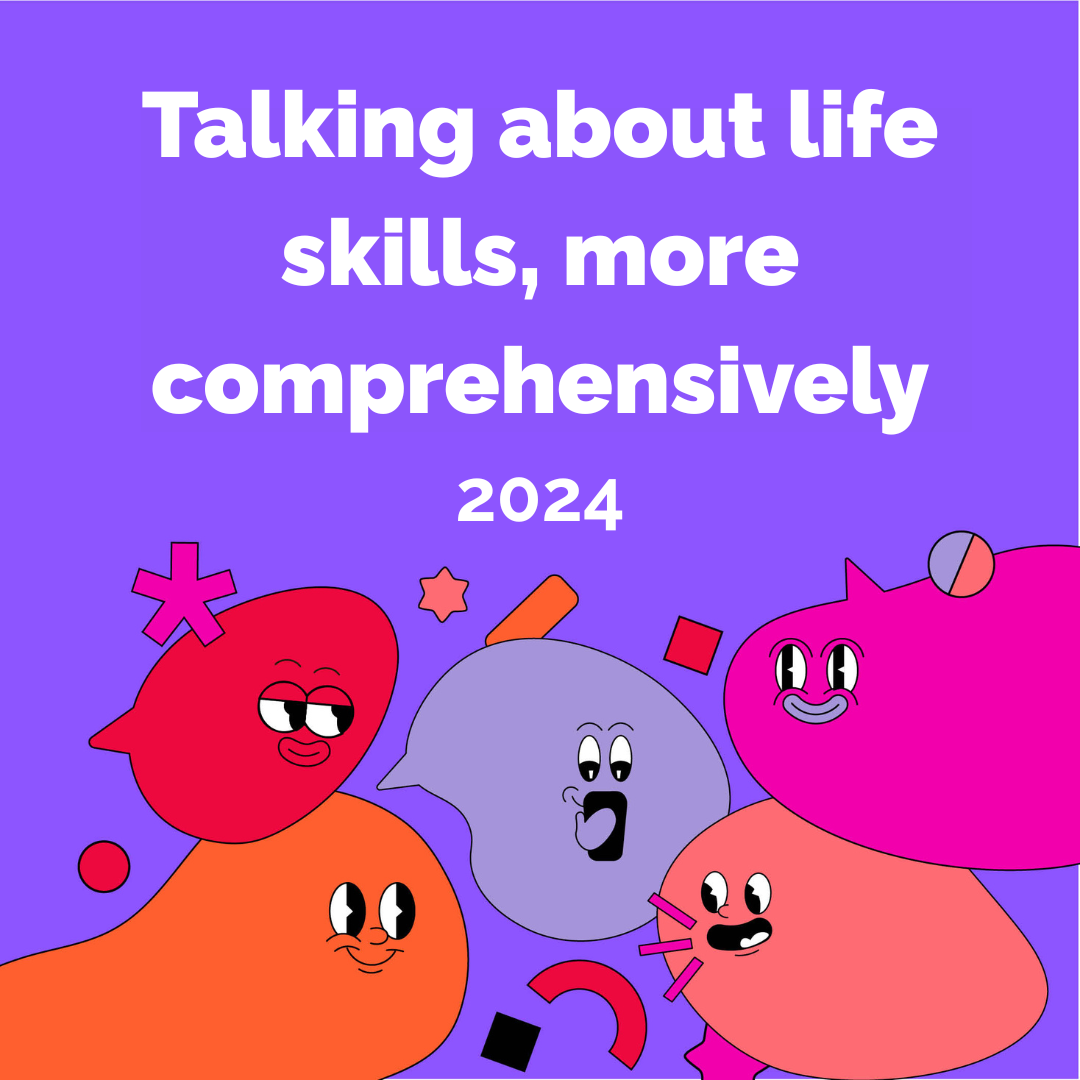
This year’s ‘Talking About Life Skills’ dialogue (our second) brought together civil society and grassroots activists, implementing partners, faith actors, funders, policy makers and other key stakeholders from across the world. Participants shared their strategies and perspectives on how to ground activism for comprehensive sexuality education (CSE) and life-skills based education (LSBE) in real world contexts.
The dialogue took place virtually from 20th – 24th May 2024, and was organised by AmplifyChange, Young & Alive Initiative, Inclusive & Affirming Ministries, Blind Youth Association Nepal and Réseau Africain de l’Education pour la santé (RAES) – specialists in funding and supporting civil society activism for CSE.
Key recommendations made for the future of the CSE and LSBE movement included:
- Advocating for the integration of CSE and LSBE into local and national policies
- Empowering self-led groups to be at the forefront of creating inclusive approaches
- Adapting programmes to cultural, social, and economic contexts
Download the ’Talking About Life Skills’ summary report to learn about the outcomes and pathways forward for the CSE and Life Skills movement.
Global Safe Abortion Dialogue
The fourth Global Safe Abortion Dialogue (GSAD), and second virtual convening, brought together many in the global community of abortion activists, advocates, civil society movements, international organisations, donors, UN agencies, partners and allies to share perspectives, strategies and plans to strengthen the global movement for abortion.
AmplifyChange organised the dialogue from 8th – 12th July 2024 in partnership with the GSAD community of diverse stakeholders who strive to protect and support the right to abortion by supporting and strengthening a strategic, dynamic, and diverse global movement.
We held deep discussions focused on three overarching themes from the GSAD’s Common Agenda: legal and policy environments, advocacy and campaigning, and self-managed abortion. The group underscored five key priorities to strengthen the global abortion rights movement:
- Become more intersectional and inclusive
- Enhance the partnership of advocacy and healthcare
- Learn from each other’s successes and challenges
- Support a movement that is brave and bold
- Nurture the next generation of abortion rights defenders and champions
Download the Global Safe Abortion Dialogue summary report to learn about the outcomes and pathways forward for the global safe abortion rights movement.
Speak Out to End GBV
Our inaugural ‘Speak Out to End GBV’ virtual dialogue, from 7th – 11th October, brought the voices of grassroots civil society organisations together to discuss the pressing, unspoken gender-based violence (GBV) issues that affect our communities.
This dialogue focused on sexual violence. The sessions highlighted the power of bottom-up approaches to uprooting social norms which lead to violence, which included FGM/C, sexual violence, violence in conflict and climate crisis settings, and engaging key stakeholders like men and faith communities. Over 50 experts from diverse backgrounds led sessions to discuss, learn, share experiences, and collaborate.
The dialogue discussions highlighted that in order to end GBV, the movement must:
- Unify its voice to effectively drive change
- Encourage global networks to align with grassroots priorities
- Build the evidence base to ensure that data is central to advocacy
- Drive funding to local organisations
Download the Speak Out to end GBV 2024 summary report to learn about the outcomes and pathways forward for the global SGBV movement.
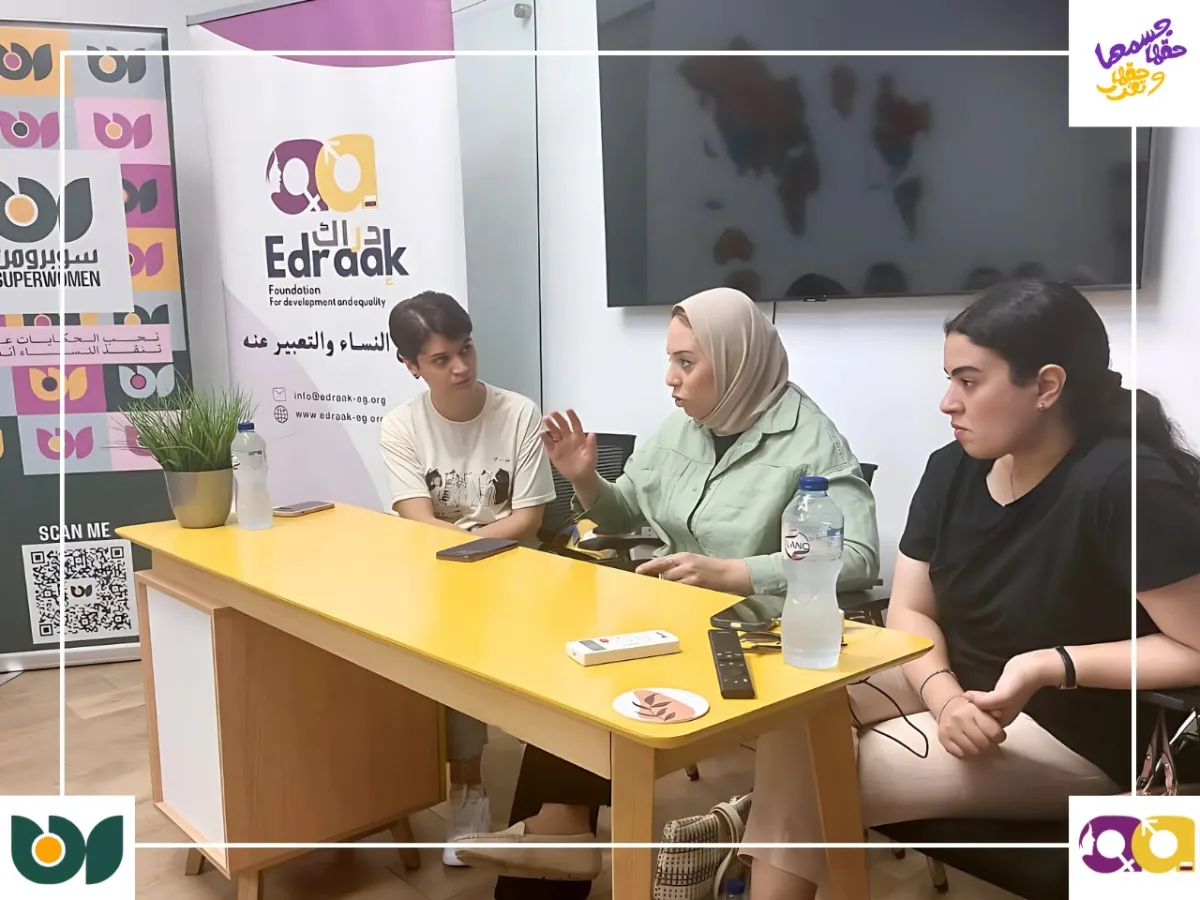

Edraak Foundation for Development and Equality
In a country where traditional beliefs and taboos dominate discussions of sexual and reproductive health and rights, the Edraak Foundation in Egypt is challenging the harmful social norms and stigma that limit women’s control over their bodies and their own healthcare decisions, especially in marginalised and rural areas.
Their AmplifyChange project, implemented over two years, established focal points in three key regions of Egypt: Cairo, Dakahlia, and Aswan. Through discussions with the local community in these areas Edraak developed a culturally sensitive toolkit for activists, NGOs, and health service providers to enhance the capacity of civil society actors, journalists, and healthcare professionals to engage in meaningful advocacy for women’s bodily autonomy.
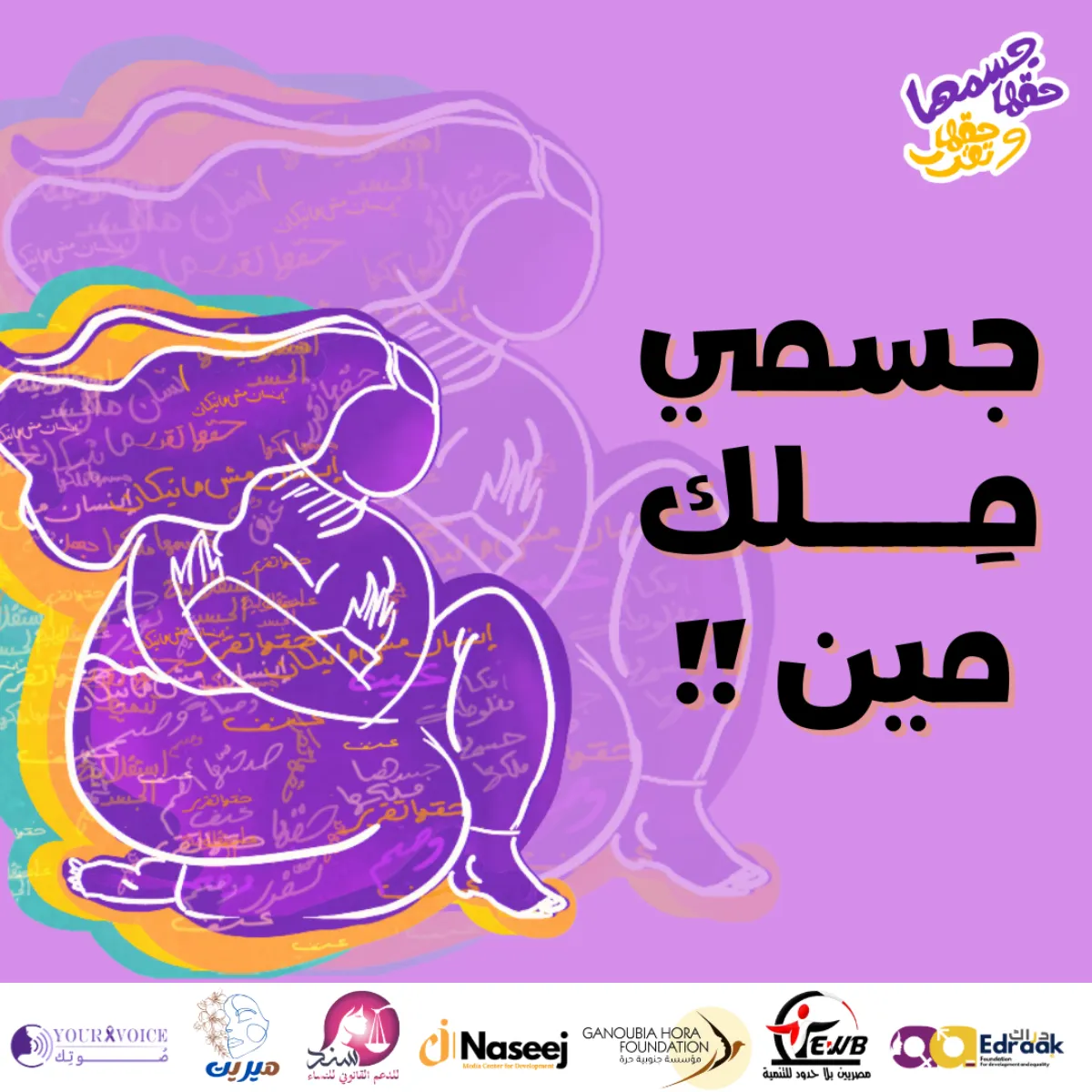
Edraak also spearheaded the advocacy campaign Her Body… Her Right, in collaboration with seven partner NGOs and feminist groups, which used webinars, social media, live Q&As, and storytelling to challenge myths, raise awareness, and empower women with knowledge. One of the highlights of this campaign was the development of podcasts about the impacts of stigma around female sexuality in Egypt and in Morocco. Personal stories highlighted practices such as single women being refused timely gynaecological treatment without the permission of a male relative, with severe health consequences. These encouraged others to speak out, and the campaign collected testimonies from 15 other women about their experiences of medical discrimination and societal pressure.
Edraak was also able to provide immediate support to over 20 women and girls through a live Instagram session with a gynaecologist, where participants could ask questions about uterine diseases, menstrual health, contraception, and more.
The initiative has faced significant challenges, both practical–e.g. lack of internet connectivity in remote areas–and cultural, such as resistance from conservative and anti-rights groups in person and online.
Despite these challenges, key successes have had a lasting impact:
- a collaborative approach bringing together seven NGOs and feminist groups, which amplified reach and breadth of message
- a qualitative research study, “How Do Women in Egypt Make Medical Decisions Regarding Their Sexual and Reproductive Health?”, providing valuable insight into the barriers women face and a vital resource for advocacy efforts
- the establishment of an SRHR alliance among the partner organisations, marking a significant step toward sustaining collective action on these issues
Looking to the future, Edraak aims to expand its efforts by establishing an SRHR Academy for the MENA region, offering workshops, courses, and resources to raise awareness about bodily rights, comprehensive sexual education, and period equality as well as cultivating a new generation of feminist leaders.
Edraak’s initiative demonstrates the power of collective action, innovative advocacy, and sustained community engagement in challenging harmful norms and promoting women’s bodily autonomy.
.webp)
Grassroots voices on the world stage
Networking at the UN General Assembly
AmplifyChange took the opportunity of the UN General Assembly in New York in September 2024 to engage grantee partners with allies and stakeholders across the sector, and to meet and build connections with the broader SRHR community.
With this goal we hosted two events sharing the outcomes of our impact reviews in Cameroon and Zimbabwe: one for the donor community and another for civil society organisations and other NGOs. At each, SAT Zimbabwe (SRHR Africa Trust Zimbabwe), a grantee partner leading crucial SRHR work spoke about the movement over the last 10 years on abortion rights in Zimbabwe, and AmplifyChange’s Strategic Advisor from Cameroon, who oversees a portfolio of grants across Cameroon and the central Africa region, discussed LGBTIQ rights in Cameroon.
Discussion following the presentation at the first event centred on donor initiatives to better support civil society work, highlighting the balance between measuring impact and evidence and acknowledging that movement building and advocacy take time. Progress is not linear and often not predictable. We discussed how we might convey to more donors the value and impact of directly supporting grassroots and local organisations.
At the second event, civil society organisations’ discussion underlined that donors need to support local organisations in themselves–not just the work they do–to sustain movements even at difficult times.
The events were valuable opportunities to reflect with diverse stakeholders from across the globe on progress towards SRHR for all and reinforce momentum across the movement.
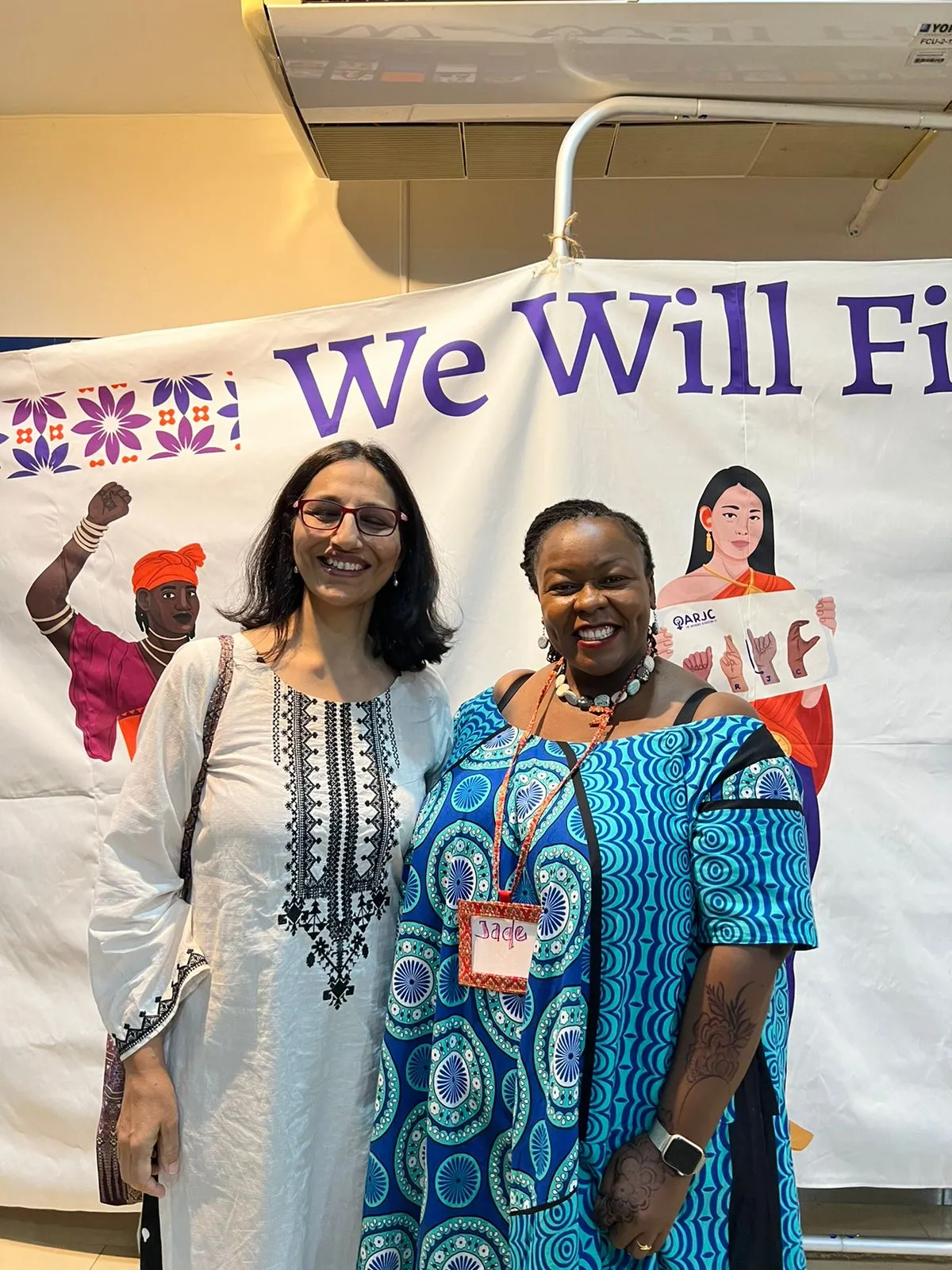
Abortion & Reproductive Justice Conference
The Abortion & Reproductive Justice Conference (ARJC) held 15th – 18th February 2024 in Bangkok, Thailand, brought together researchers, activists, policy makers and healthcare professionals from across the world. The conference focused on intersectionality across the abortion rights movement, including how to improve access to services, reduce stigma, and build stronger movements. Coordinated by AmplifyChange grantee partner Asia Safe Abortion Partnership, it was an opportunity to centre the crucial work of grassroots activists furthering abortion rights in their field.
As one of the largest investors in safe abortion advocacy in Africa and South Asia, AmplifyChange’s Chair of the Board of Directors, Dr. Narmeen Hamid, represented AmplifyChange at the Funders’ panel. We discussed the role we play in the overall SRHR funding scenario and shared information about our ambition, mission and strategy. Dr. Hamid also co-chaired a session on population policies, climate change, and safe abortion rights.
We were grateful for the opportunity ARJC provided to meet other funders, partners, grantee partners, and, most of all, very passionate and brave activists. These activists had inspiring and sometimes harrowing stories to tell. They refreshed our drive for the mission of AmplifyChange and demonstrated the critical importance of funding local organisations doing the hard work on the ground. ARJC reaffirmed our commitment to activists leading change in their communities, often risking their lives every day for the cause of SRHR and reproductive justice.
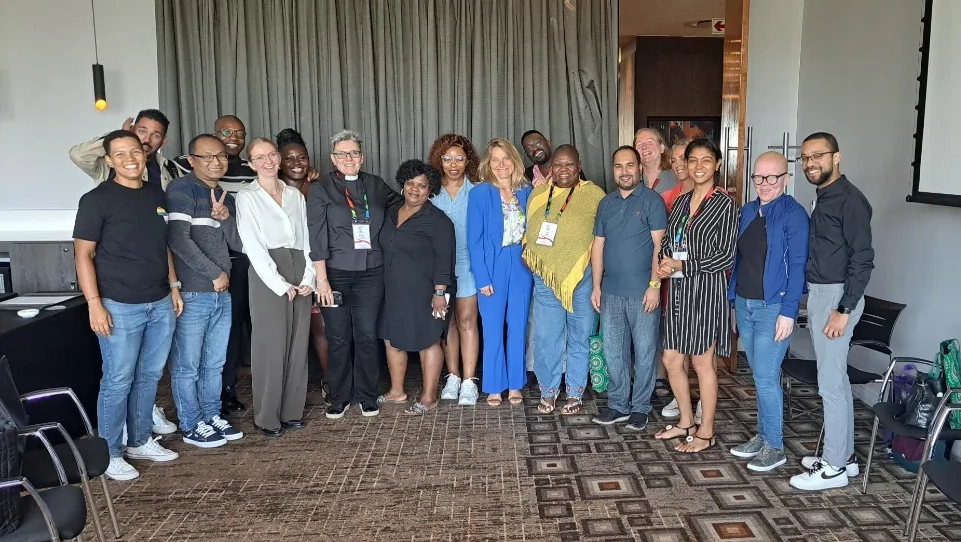
Global LGBTI Funding Summit
Held over two-and-a-half days just before the International Lesbian, Gay, Bisexual, Trans and Intersex Association (ILGA) World Conference in Cape Town, South Africa, the Global LGBTI Funding Summit took place 9th – 11th November 2024. The Summit brought together around 200 leading funders from across the globe, all committed to equality and inclusive development for LGBTIQ communities, aiming to:
- increase funder knowledge by examining the latest evidence on the LGBTIQ movement’s funding needs and trends globally
- generate collaboration and collective strategies for resourcing opportunities to advance LGBTIQ rights and respond to rising ‘anti-gender ideologies’ and authoritarianism
- create a platform for donor governments and philanthropic actors to commit to bold and ambitious new funding.
We used this platform to create an opportunity for 10 of our grantee partner attendees to meet with colleagues from Danida and Sida, the Swedish Development Cooperation Agency, and talk about their work.
At the Summit, the Global Philanthropy Project launched the Fund Our Futures campaign, which secured USD 100 million in new commitments from 30 philanthropic institutions and governments. We were delighted to receive through this an additional GBP 1 million commitment to AmplifyChange from Danida, the Danish government’s development cooperation programme. This uplift is particularly welcome at a time of increasing funding challenge globally and will enhance our ability to support grassroots LGBTIQ organisations.
12e Conférence Internationale Francophone (AFRAVIH)
The 12th International Francophone Conference on HIV, Hepatitis, Sexual Health and Emerging Infections (AFRAVIH) took place the 16th – 19th April 2024 in Yaoundé, Cameroon. AmplifyChange attended to highlight our support to Francophone African countries, particularly in central Africa. Key sessions we attended included the importance of supporting peer education in addressing HIV prevention and management and approaches to supporting activist digital and physical security. As well as learning about advancements in the HIV/AIDS field, the conference provided an opportunity to connect with SRHR advocates in the Central African region. Some activists had not come across AmplifyChange before, so the outreach successfully engaged potential new applicants for future funding rounds.
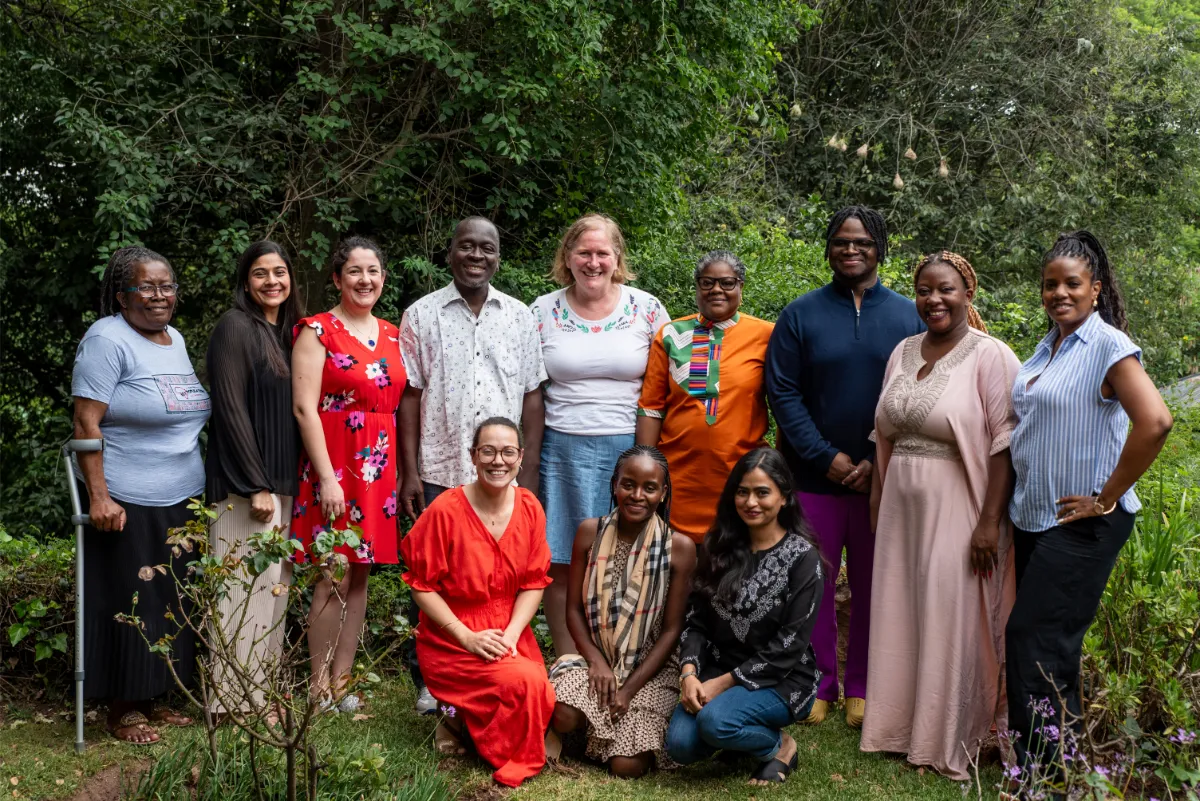
AmplifyChange Grants Support Team annual convening
In February 2024, AmplifyChange held our annual week-long Strategic Advisors Convening at the Gender Links Cottages in Johannesburg. Led by the Head of Grant-making, the event brought together our Strategic Advisors from Africa and South Asia to reflect on the impact of the fund’s current portfolio, strengthen risk management approaches, and refresh knowledge of internal systems and processes.
A key focus of the convening was peer learning and collaboration. The technical team engaged in deep discussions on SRHR language, shared insights from their respective portfolios, and exchanged strategies for supporting grantees effectively. Additionally, representatives from the Danish, Norwegian and Swedish embassies attended a session where they heard directly from grantees about their experiences and the transformative work supported by AmplifyChange.
The convening reinforced AmplifyChange’s commitment to strengthening partnerships, enhancing impact, and driving progress in SRHR across its global network.
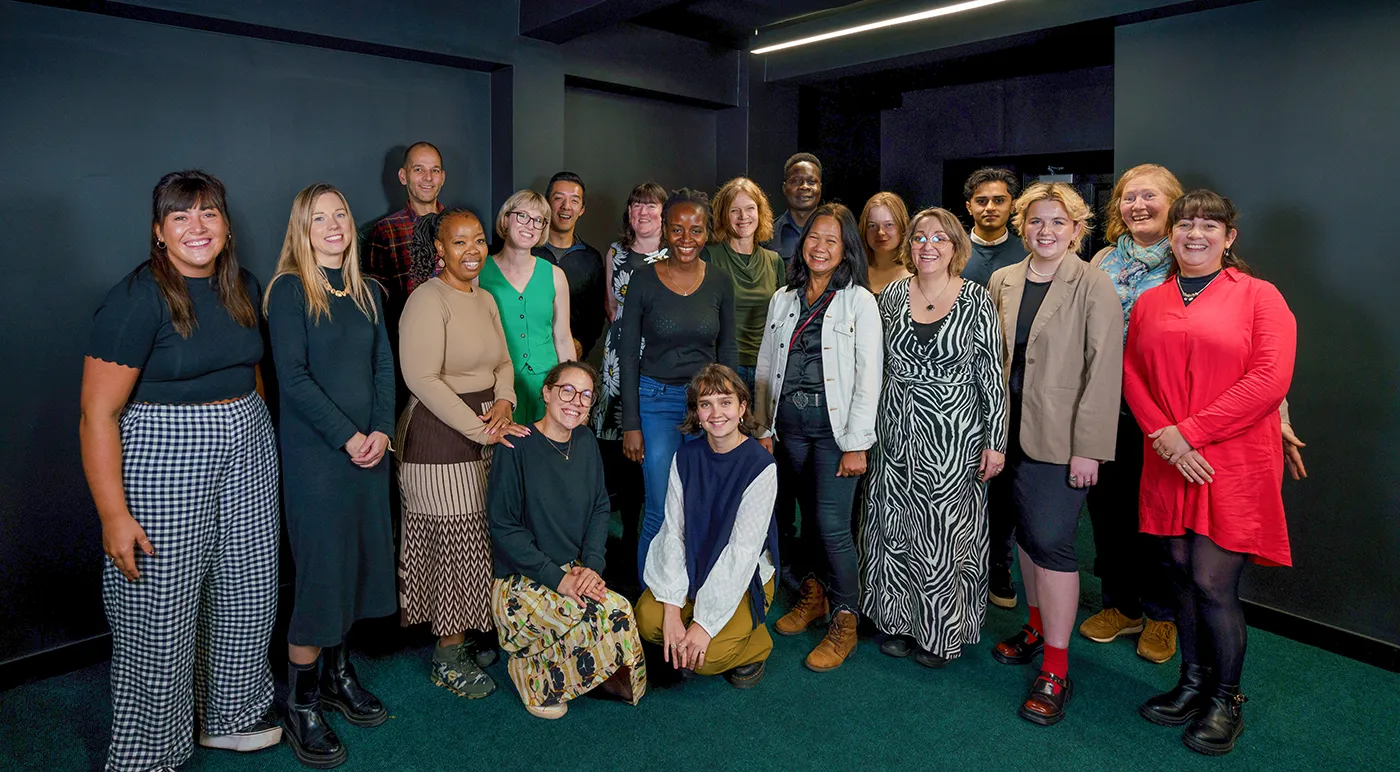
Looking Forward
2024 was a milestone year, marking 10 years of concentrated and innovative funding, supporting and connecting civil society organisations working in the most challenging settings and across Africa and Asia for change that will ensure SRHR for all.
Reinforcing our dedication to the core of our work, grant-making, we funded a raft of new projects aiming to further courageous SRHR advocacy. At this moment we are funding more grants than at any other point in our history – pointing to the ongoing need for direct funding to local organisations leading positive change in their communities.
We will launch new Partnership Grant and Opportunity Grant funding rounds in 2025, supporting the growth of grassroots movements by building new funding mechanisms and directly support local organisations.
Through two additional impact reports, we will identify further learnings on the most effective ways to support civil society advocacy for SRHR. Through Pamoja, we will continue to fund and strengthen the abortion rights movements across core countries and will also expand our financial support through this project in Kenya and Benin.
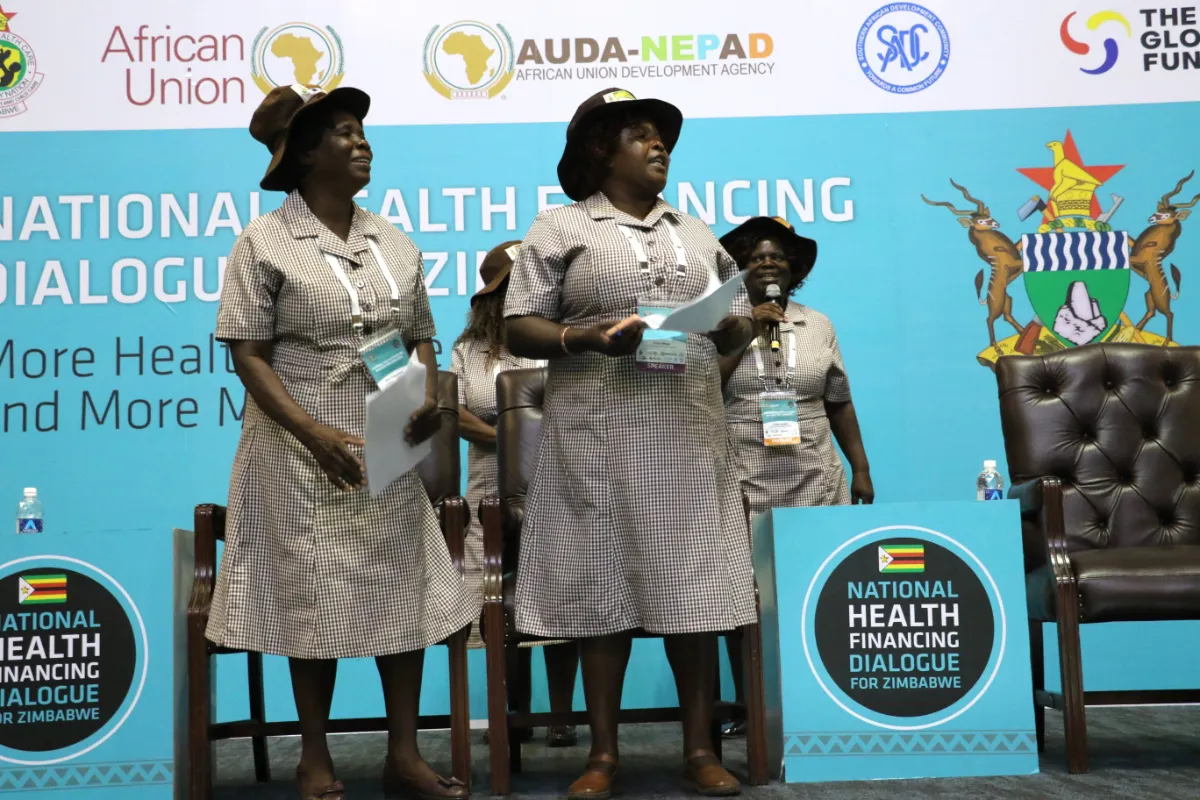
.webp)
Our commitment to organisational strengthening for enhanced movements was reinforced in 2024 and will continue to play a key role throughout 2025. Our plans include:
- organising more convenings and linking organisations across our portfolios, in response to the keen desire of grantee partners to learn from and support each other
- introducing new live and digital courses for our grantee partners, through the AmplifyChange Learn Community
- adding exciting new content to the AmplifyChange Learn website, integrating multimedia to further support the knowledge library of grantee partners and local organisations
We will also be developing our next five-year organisational strategy (2026-2030), listening to stakeholders, and reflecting on the role of AmplifyChange and how this might evolve in a continuously changing donor landscape for SRHR.
As we move into 2025, AmplifyChange remains committed to broadening our support and forging new partnerships. Through this we will continue to address critical SRHR needs, support healthier communities and enhance more resilient movements.

AmplifyChange Financial Summary 2024
AmplifyChange’s total expenditure in 20241 was GBP 14,541,162. 94% of our expenditure contributed to grants for civil society organisations (GBP 13,637,448), funding and supporting advocacy initiatives across Africa, South Asia, and the Middle East.
Total expenditure in 2024
AmplifyChange continued our core mission of reaching grassroots organisations and supporting movements for change through direct grant-making in 2024:
- We disbursed over GBP 15 million in 2024 directly to organisations leading positive change on SRHR in their communities – a 72% increase in grant disbursements between 2023 and 2024.
- 73% of our grant funding in 2024 directly supported local organisations through Opportunity and Strengthening Grants.
- Since October 2020, when AmplifyChange became an independent organisation, we have committed GBP 50,417,207 to civil society organisations across Africa, South Asia, and the Middle East.
Total funding by grant type in 2024
Up to the end of 20242 , the largest percentage of funding disbursed was in Kenya, Zimbabwe, and South Africa, followed by Nigeria, Mali and India. The largest portion of our grant-making was through Strengthening and Network Grants.
Total funding by grant type (to end of 2024)
Total funding disbursed by country (to end of 2024)
Thank you
To the following organisations for allowing us to share their images:
- YouthFORCE
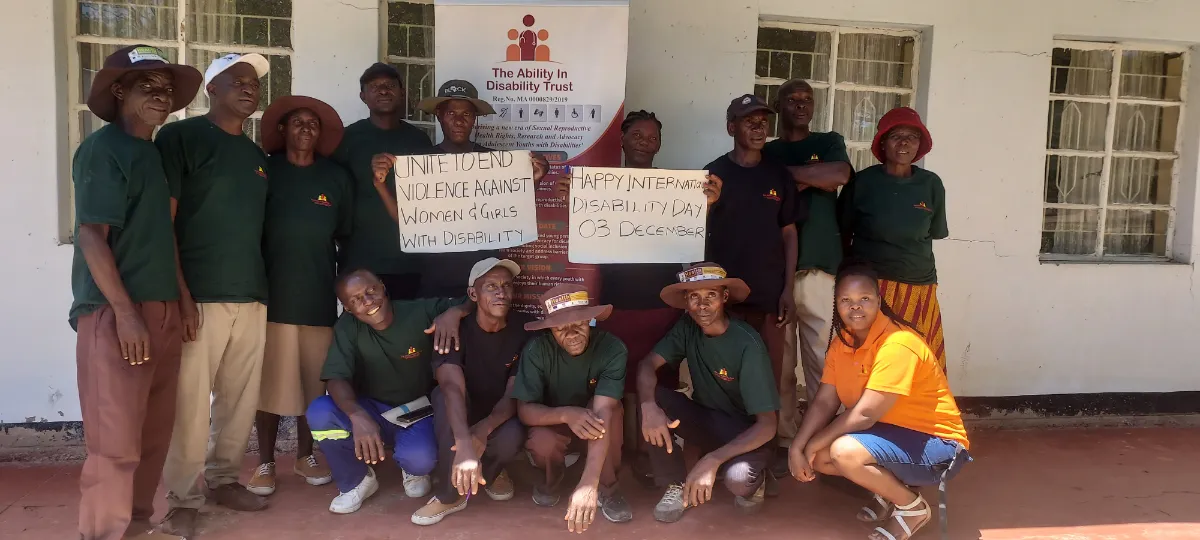
- The Ability in Disability
- Réseau des jeunes pour la promotion de l'abandon des MGF et des ME
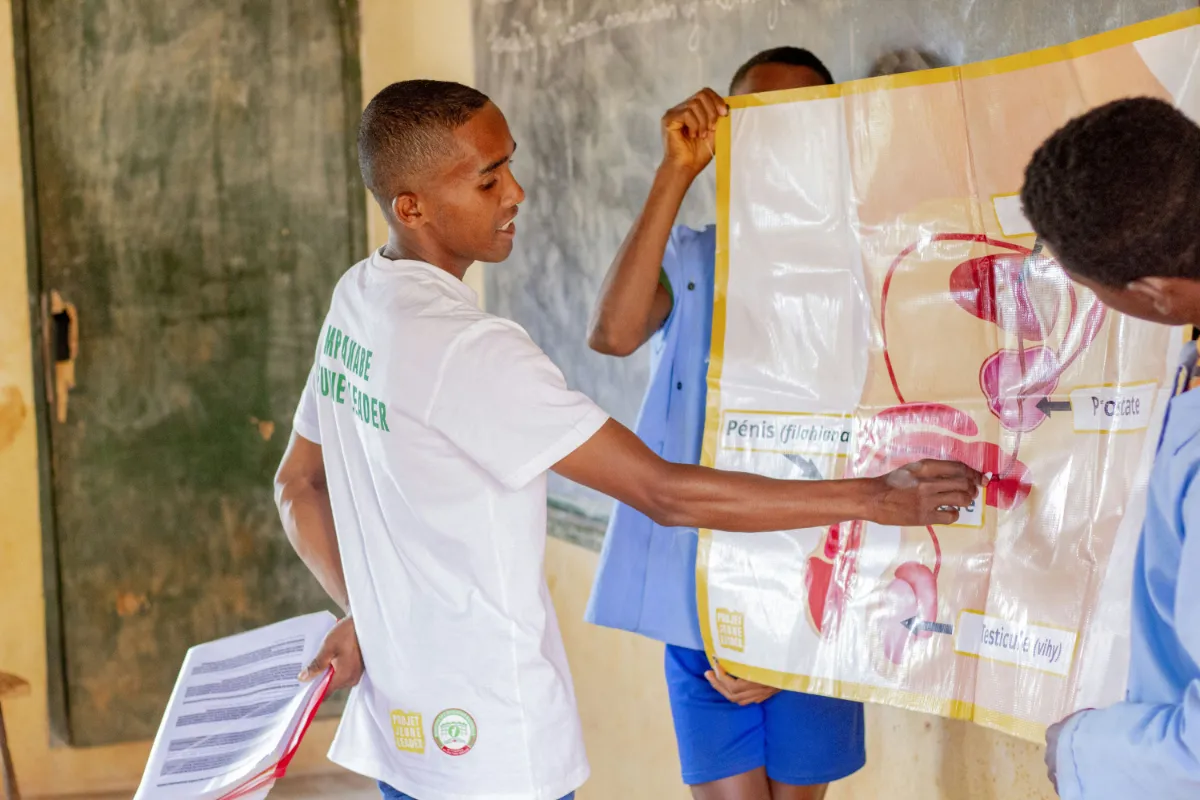
- Projet Jeune Leader
- Dynamic Femmes
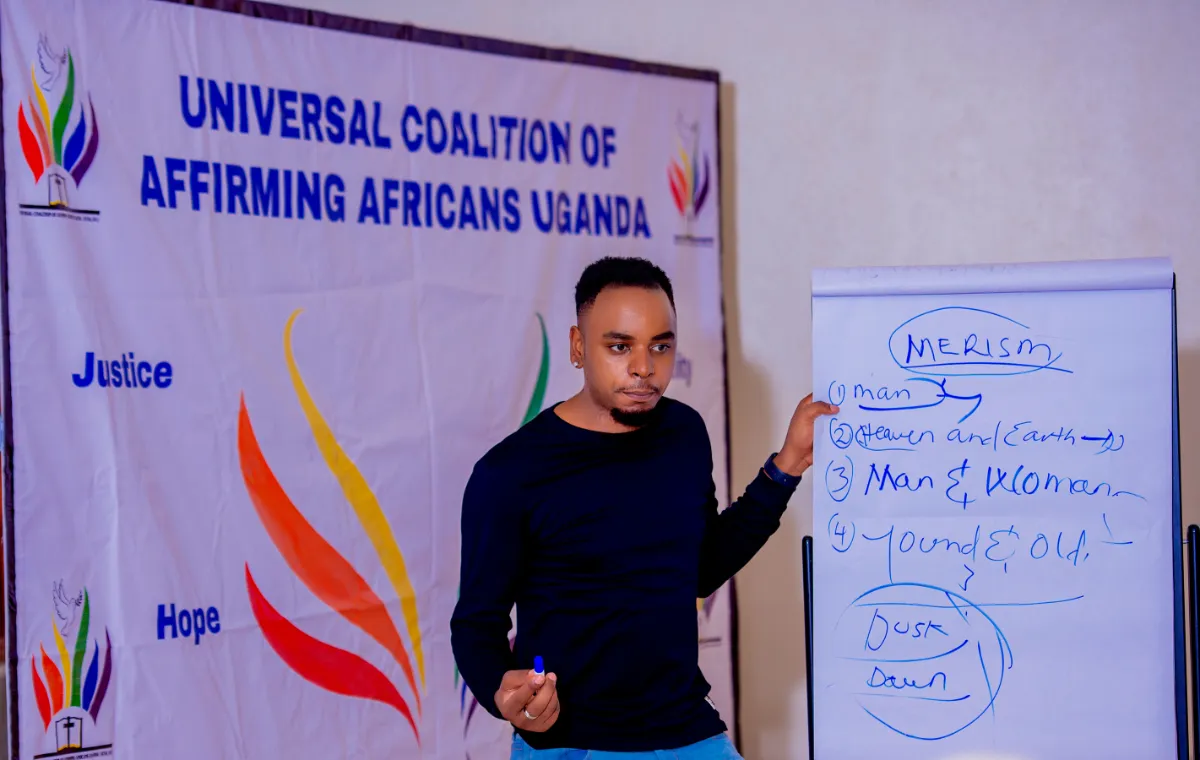
- Universal Coalition of Affirming Africans Uganda
- YES Trust Zimbabwe
- Inclusive and Affirming Ministries
- Family Welfare Foundation
- Pravah
- CAMFAIDS
- Adult Rape Clinic
- Association voix pour les femmes d’Afrique Centrale (VPFAC)
- Kachere Progressive Women’s Group
- Nifin’Akanga
- Young Voices Organisation
- Réseau des Femmes Leaders pour le Développement (RFLD)
- Media for Development and Advocacy (MEDEA)
- Rahnaward Social & Civil Association
- ONG Développement Humain Durable
- Solidarity and Action Against the HIV Infection in India (SAATHII)
- Initiative for Gender Equality and Sexual Reproductive Health (IGE-SRH)
- Edraak Foundation
- DASTAK Foundation
- Community Working Group on Health
- Jamnel Care Organization